





























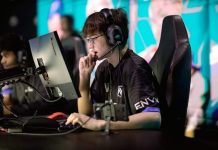



Last week, the VALORANT esports community was hit by the unexpected news of duelist prodigy Alex “canezerra” Banyasz receiving a 12-month hardware ban from all Riot Games titles.
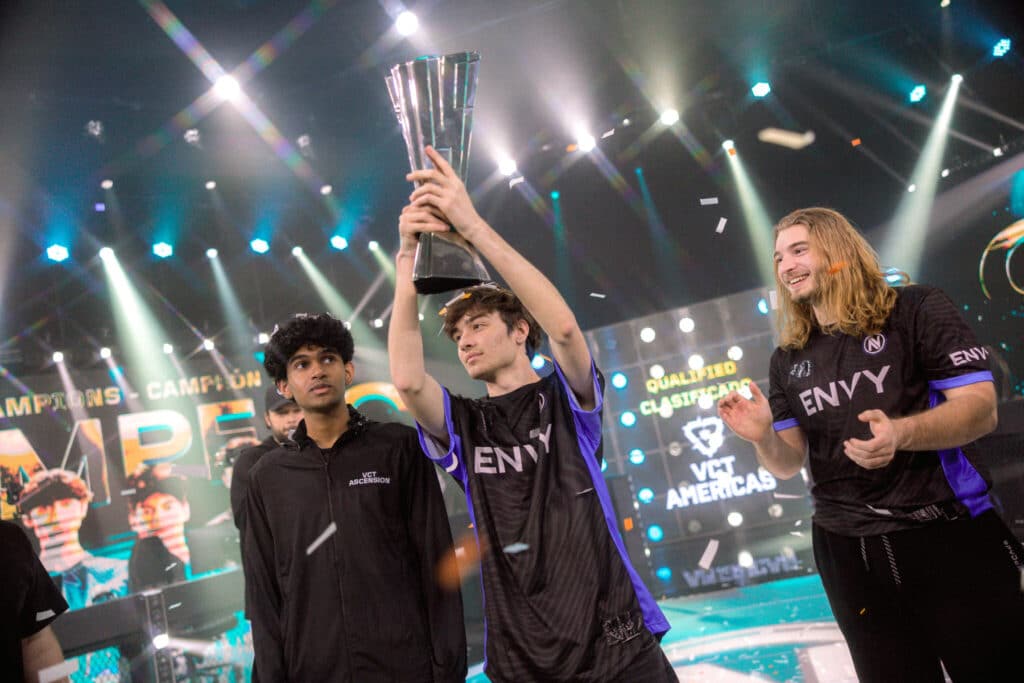
This includes the game he had dedicated the last three years of his life to in an effort to qualify for the Tier 2 circuit and ascend to VCT Americas as part of ENVY last year. canezerra was less than two months away from turning 18, the minimum age required to participate in the VALORANT Champions Tour and finally compete alongside some of the most prestigious names in his scene.
“I made a serious mistake and said things I deeply regret. There’s no excuse for it. I’m really sorry to my fans, ENVY, Riot, and everyone who supports me — I’ve let you down,” admitted canezerra in his public statement on X (formerly Twitter).
At the same time, ENVY publicly announced the termination of canezerra’s contract with the North American esports organization. According to ENVY’s statement, the reason behind the ban was “multiple violations of [Riot Games’] Terms of Services.” However, no further details about the nature of these violations have been shared, and there has been no official statement from Riot Games.
This obscurity, combined with the severity of the penalty, created a breeding ground for heated arguments within the VALORANT community, among fans, content creators, players, and other esports stakeholders. Was Riot too harsh? Did the punishment kill the career of an up-and-coming star?
Pro Players Are Role Models. Or, Well, They Should Be
If esports wants to be taken seriously as a sport, it needs to act the part. It needs to concern itself with matters of integrity and sportsmanship. And it needs to be represented by individuals who embody these values.
And who does the media look at when engaging with esports? Who do fans and young players look up to? They all look at the most prominent faces in our field. They look at the professional players competing on stage, answering interview questions, or broadcasting their gameplay on streaming platforms.
“Once you become a pro player, whether you like it or not, you become a public figure and essentially an influencer/mascot for the team/esport, which means you should be aware of your actions and words,” argued an X user while discussing the Canezerra case.
Professional players inevitably shape how our scene is viewed. But they also represent what kind of behavior is accepted or even sought after at the highest level of competition. Impressionable fans strive to be just like their role models, whether their role models agree to it or not. That kind of power should only be given to those who can wield it responsibly, in my opinion.
Moreover, the unique status of professional players in our scene could also be leveraged to make a positive impact. Whether it’s inside or outside the game, pro players should strive to advocate against harmful behavior or, at least, lead by example.
Pro Players Are Brand Ambassadors
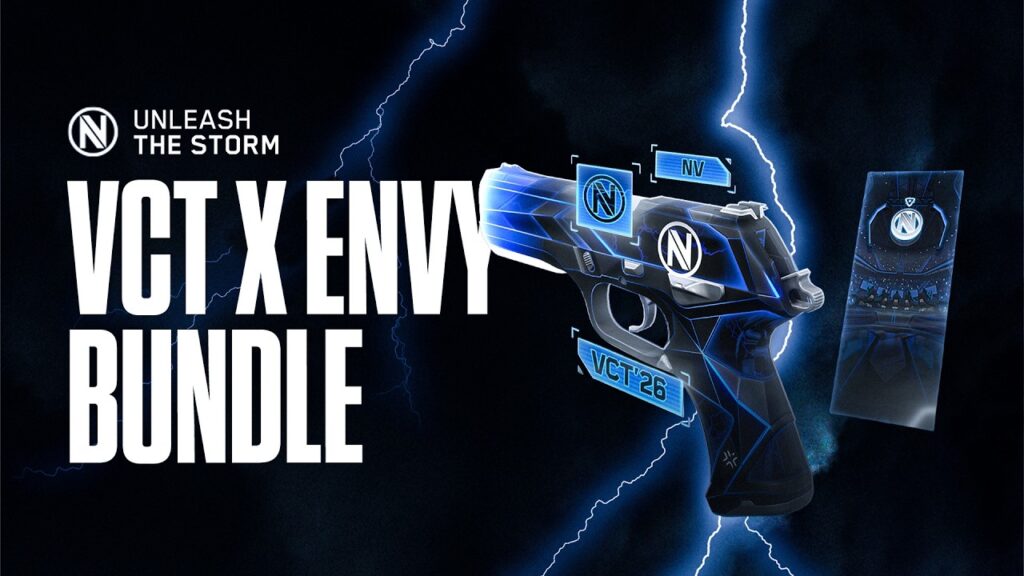
ENVY’s decision to drop canezerra from the organization might seem harsh, but from a business perspective, it was the only choice to make. This is where esports turns away from the passion and excitement of competition to reveal its colder, more ruthless side.
As the face of esports, pro players serve as ambassadors for their game, their organization, and the sponsors and partners affiliated with them — for better or for worse. If a player’s behavior could threaten business relations or funding streams, that player becomes a liability.
“It does not matter how popular, hard working, or talented someone is; there will always be consequences,” emphasized professional VALORANT player, Ethan “Ethan” Arnold on social media. “I don’t know when this idea got lost for so many people over the last couple years, but it was a very well-known thing when I started esports 10 years ago.
“Your image as a person is EVERYTHING nowadays, and it’s astonishing that orgs/peers don’t try to help or train for it, especially with the increased use of social media and the influence it has on our lives and work.”
Player behavior cannot just end partnership deals. It can also harm a product’s brand in the eyes of esports consumers, leading to a weaker brand, fewer fans, and even fewer business prospects in the long term.
For instance, some community members brought up allegations that canezerra previously faced regarding hate speech and joking about sexual assault, and accused ENVY of not doing background checks on their players.
Publishers Have all the Power Here, But Maybe Too Much Power
Although many community members and esports professionals agree that Terms of Service violations and toxicity should be penalized, the length of canezerra’s ban has been a topic of contention.
“Ranked players can say whatever and not even receive a three-day ban?” questioned LP porridge, Founder and Owner of esports organization Lost Puppies. “This is an unbelievable decision what the f***???
“You can say ‘maybe they’re making an example out of him,’ but then you’ll see 10x worse behavior in your own ranked games that go completely unbanned. 12 MONTHS??? This s*** is so backwards, I’m actually baffled.“
But what good does arguing about the length of the ban actually do when we don’t know with 100% certainty what exact behavior was responsible for Riot Games’ decision? No matter which side of the argument you’re on, you’d just be speculating.
I think there is a different topic worth exploring here: the unchecked power publishers hold within their game’s esports ecosystem. As the owners of the games we dedicate our private and professional lives to, publishers choose how we engage with esports and who gets to engage with it.
Is that something we should just accept? Or should that power be restricted or at least overseen by independent governance bodies?
As we established, game publishers are businesses, and sometimes, business interests and competitive ethics do not align. One case that comes to mind is that of Hearthstone pro player Ng “blitzchung” Wai-chung, who was penalized with a 12-month ban and rescission of his 2019 winnings following public statements in support of Hong Kong’s pro-democracy protests. The penalty was later reduced by Blizzard Entertainment in response to public backlash, with the community accusing the company of making an example out of BlizzCon to protect its relations with Chinese business partners.
Riot Games is known for taking firm stances against certain team and player behaviors. Last year, for example, the publisher issued a 12-month competitive suspension to Joseph “Ban” Seung-min as the VALORANT player “may have engaged in match-fixing related activities.”
“Riot is making it clear what type of community they want to establish and what level of behaviour it will tolerate,” posted VALORANT caster Marcus “Marks” Wong following the canezerra news. “It’s drawing a clear line in the sand. If you don’t like that, then maybe you aren’t the type of people they want to stick around.”
A Future Career Ruined, But Who Is to Blame?
“The fact that he can’t even play the game or stream for an entire year, alongside being knocked off his organization as well as from competing, in my opinion, is disgusting. He’s soon to be 18 years old with a crazy bright future,” wrote VALORANT content creator Connor “PROD” Moran in response to canezerra’s ban. “So many different ways to approach a situation like this and choose such a horrible one. Massive L from Riot Games.”
Did Riot Games ruin the career of a rising VALORANT star? Ccnezerra will likely need to establish a personal brand outside of VALORANT if he wishes to remain relevant until his hardware ban expires. But he’s already begun doing that with his latest Counter-Strike stream. Furthermore, examples such as Jay “sinatraa” Won have proven that it is possible to build a thriving streaming career despite major accusations and a falling out with Riot Games.
I also don’t think a player’s career prospects should affect in-game penalties. For the sake of a safe in-game environment, every participant, regardless of their social status or rank, should adhere to the same code of conduct. Everyone must be held accountable for breaching the rules. As discussed previously, professional players should be held to an even higher standard due to their inevitable role as role models inside and outside the game.
With many pro players starting their competitive journey at a young age, they also typically internalize their unique position in the scene early on.
As outlined by VALORANT content creator Splash: “From the moment I was 14 and started to get looked at by NCAA coaches for basketball, I knew to make sure that I needed to be responsible when it came to coaches and scouts monitoring social media, my behavior in both public and private settings needed to be upstanding, and to just remain out of trouble or controversy.”
However, I do think Colin “CoJo” Johnson, Senior Team Director for Fnatic VALORANT, raised an important point about esports organizations’ responsibility toward young talent.
“It’s on the veterans, GMs, and coaches to actually police this bad behavior EARLY and not after it’s gone viral,” highlighted CoJo on social media. “Too many people are afraid to hold star players and young talents accountable, or just ignore it entirely.
“It’s our responsibility to produce good people — not just good players, especially when we’re pulling them out of high school/university, and they can become a bit terminally online/socially stunted.”