











Business as usual? Hardly. Despite the full metal response of LIV Golf’s CEO Scott O’Neil, “our season continues exactly as planned, uninterrupted and at full throttle,” the Saudi sporting dream, and golf’s place in it, teeters on the edge.
O’Neil’s reaction to a story that burned all day was robust, but did not come early enough and left both golfers and staffers scrambling to make sense of messaging that signalled Armageddon in Mexico, where the sixth event of the year was just 48 hours from launch.
Were all as O’Neil would have us believe, what need would there be of rallying cries late in the day? O’Neil’s journey to Mexico via an emergency board meeting in New York coincided with the publication in Riyadh of the Public Investment Fund’s revised 2030 strategy document that made no mention of sport.
The focus has always been the economic transformation of Saudi Arabia moving away from the reliance on oil. Inward investment is a central pillar of that strategy. For this, the soft power of sport was a critical driver in repositioning the Kingdom, normalising a state with an archaic social and political structure and appalling human rights record.
The launch of LIV Golf four years ago slotted in alongside the purchase of Newcastle United, the Saudi Arabian Grand Prix, boxing’s Riyadh season and sundry trinkets in a multi-billion pound sports portfolio. The commitment to golf has surpassed £3bn without any sign of significant returns.
While the players were given reassurances at the start of this season about LIV’s long term commitment to the sport, the world has changed since then, affecting a reshaping of the international order.
Sport has largely done its job in shifting perceptions. Human rights have been, if not washed clean off the agenda then shunted down the list of global concerns. Moreover the Iran war has reinforced the strategic and diplomatic importance of Saudi Arabia in the Middle East, accelerating the assimilation of the kingdom into the political ecosystem.
Sport’s growing irrelevance in the drive for geopolitical acceptance was reflected in a strategy document that made no mention of it when setting out the six major developmental sectors. That does not mean the kingdom is retreating from sport, just focusing on the events that still serve a PR purpose like the Saudi Grand Prix and ownership of Newcastle United, or those that promise a return on investment.
Golf falls outside both metrics. The gamble to disrupt the sport’s existing order was hugely expensive and though early moves threatened the PGA Tour’s supremacy, American investors stepped in to shore up the tour’s position.
The stalemate that followed increased the pressure on LIV to justify itself independently of a deal with the PGA Tour. Despite the enthusiasm for the league of golf-mad PIF governor Yasir Al-Rumayyan, it is ultimately accountable to Saudi sovereign Mohammed bin Salman, who wouldn’t know a five-iron from gridiron. Return on investment is all that matters to him.
This attitude was reflected in the strategy statement authored by Al-Rumayyan that stressed the importance of “value realisation, sustainable returns and enhanced capital efficiency”, none of which applies to LIV Golf.
This shift in mood is also evident at Newcastle United where the drive for hegemony is being rapidly recalibrated and infrastructure projects slowed. The difference is the PIF’s investment in golf dwarfs the £500m spent on Newcastle, and the football club has doubled in value since the £350m purchase.
The Middle East conflict has hit the Gulf countries hard, not only energy and oil infrastructure but tourism, which is increasingly driving investment in the region. Visitor numbers in the gulf states are projected to fall by 19 million with losses reaching £32bn.
Something has to give. LIV’s vision for a different kind of golf has not landed with audiences and sponsors. Capacity crowds in Australia and South Africa have not been mirrored by broadcast viewers.
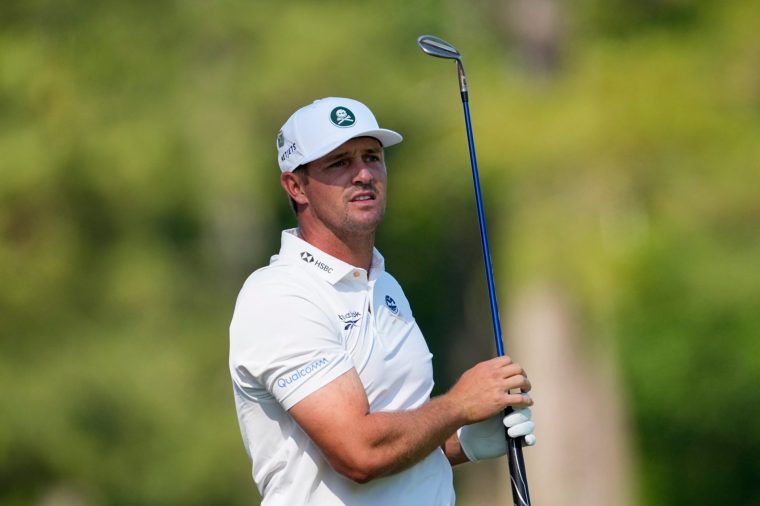
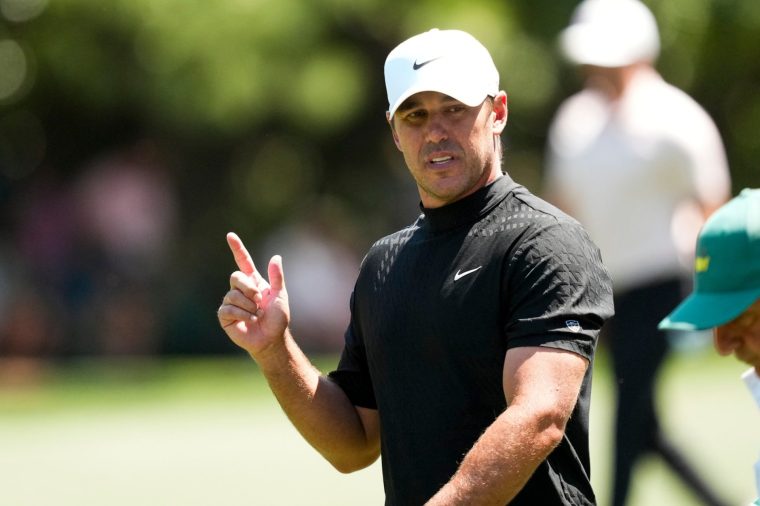
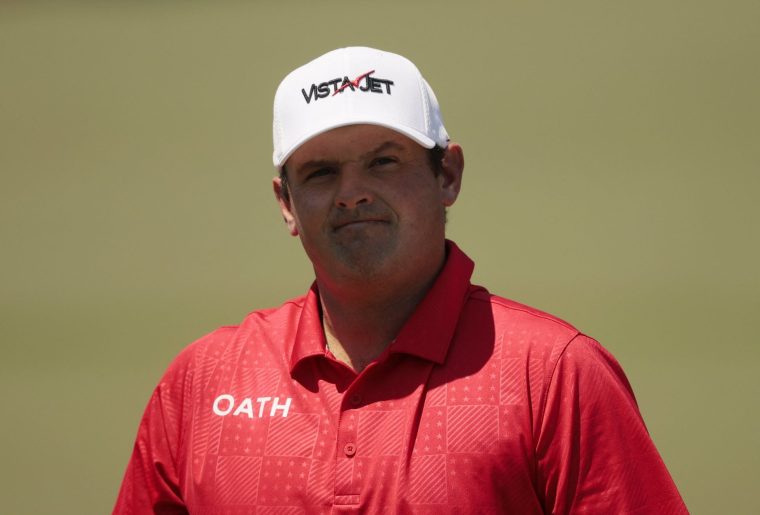
The return to the PGA Tour of Brooks Koepka, the impending exit of Patrick Reed and uncertainty over Bryson DeChambeau’s future further undermined the project. Events in the Gulf have merely accelerated the negative trends already in play.
Wednesday’s extraordinary speculation suggested the dream had died. Though it survives for now, it would seem the Saudis can live without LIV.