






















The NBA just slammed the door shut on another regular season, and the annual awards-and-honors conversation will heat up.
Most Valuable Player of the season, All-NBA teams, Defensive Player of the Year, Rookie of the Year, and other honors are up for grabs among standout players.
However, not all standout players will be considered because they failed to check one important box, the 65-game rule. The rule states that any player who doesn’t play at least 65 games will be ineligible for league honors.
It’s harsh, considering some big-performing names this season who fell short.
Luka Doncic is the biggest example. The Los Angeles Lakers superstar played 64 games, just one shy of the benchmark. He led the league in scoring at 33.5 points per game and was a big part of the Lakers’ final push for a direct playoff spot. He was also a strong candidate for MVP, but all that was undone by a Grade 2 hamstring tear that ruled him out for the final few games of the season.
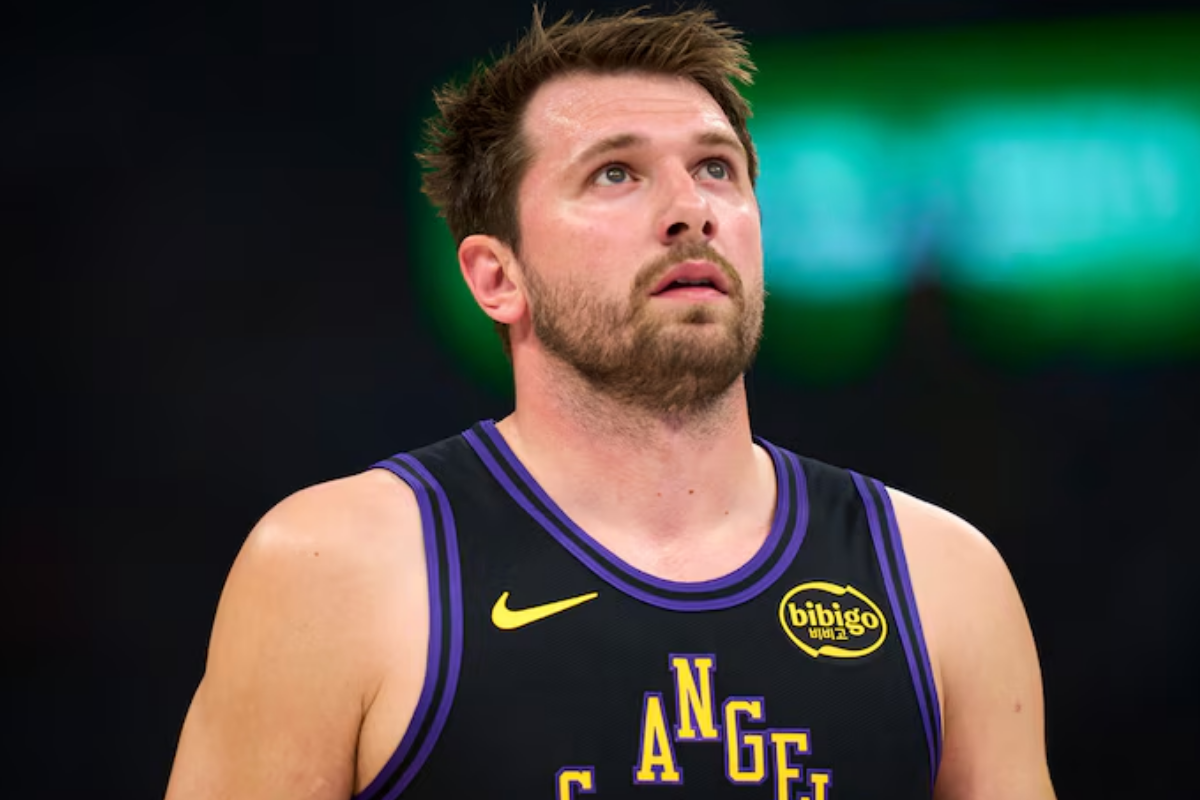
His camp has already said they will appeal on “extraordinary circumstances,” so the Slovenian could still be considered for major honors.
Cade Cunningham was also a strong candidate for MVP and carried the Detroit Pistons to the No. 1 seed in the East before a collapsed lung sidelined him for good. Anthony Edwards is another player who falls short too.
It is absurd to think that all these players will not make an All-NBA team at least, which makes the whole 65-game rule look like one big mistake. It is hurting the league’s biggest draws, and commissioner Adam Silver needs to address it.
The rule was established in 2023 as part of the league’s response to load management. They don’t want fans paying premium prices only to see stars sit out nationally televised games. The league and players’ union agreed that a player must show up for at least 65 games averaging 20+ minutes in most of them before being considered for MVP, All-NBA, DPOY, and the rest. It sounded reasonable at first, but three seasons in, this fix might have created a bigger problem.
When a player like Doncic leads the league in scoring while also providing all-around dominance but misses out on honors, the rule’s purpose is questioned. It is now a question of “who stayed healthy enough,” and not “who’s the best player.” The NBA needs to find a balance to ensure that such players don’t miss out on individual honors due to games played.
Five fixes the NBA must consider to avoid losing awards credibility
1. Switch to a minutes threshold instead of games played
The NBA needs to ditch the 65-game mark or, if they don’t want to, they should implement a total minutes requirement, say, 2,100 minutes played across the season (this is roughly equivalent to 65 games at 32 minutes a night). This rewards real workload, not just showing up on the floor to mark attendance. It rewards players who grind without punishing those who manage their minutes smarter.
This season:
- Doncic played 2,289 minutes in the 64 games he played.
- Cunningham played 2,150 minutes in 64 games.
- Anthony Edwards played 2,137 minutes in 61 games.
- Victor Wembanyama, who is currently the frontrunner for MVP, played 1,866 minutes in 65 games.
This is a major blind spot in the rule. Yes, they made it clear that a player must play 20+ minutes, but that is not a strong protection for those who are on the floor for over 30 minutes. They don’t have to scrap everything, just add a special consideration for minutes equivalent to 65 games.
2. Reduce the game’s threshold to 60
The 65-game mark might seem like a decent number for players to reach. However, dropping it five games to 60 is still a good mark. That is still well above 70% of the schedule, which is still good enough to tackle the load management issue the league is fighting. It also, more importantly, gives breathing room for the inevitable injuries that hit even the most durable players. When factoring in the marathon of travel to road games, the physicality, and condensed scheduling of the modern game, 65 games for players playing over 30 minutes is hard to attain even for the most durable players.
If a player manages to stay healthy, he can eclipse 60 games in time before the brutal scheduling or any late injury crisis, as in the case of Doncic.
3. Create special exceptions for proven NBA legends
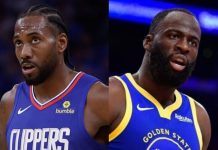
Not every player can keep up with the new NBA schedule, and certainly not this current list of legendary veterans. LeBron James is 41 but still averaging 20.9 and played 60 games with 33.2 minutes per game, but he won’t be considered for All-NBA per the new rules, just like Stephen Curry. Kevin Durant played 78 games, but this is his highest mark since 2019 during his prime. These guys have 10-plus All-NBA selections, multiple MVPs, and decades of proof that they elevate the league.
The league should grant them special considerations like a reduced game benchmark or minutes mark. It’s not rocket science that as they grow older, the body can’t carry a full 82-game season, and even 60% of that mark is considered a huge effort. It is strange having an All-NBA without James or Curry when they are still delivering numbers worthy of honors.
4. Expand the “extraordinary circumstances” appeal process
The league should seriously put the conditions of the players first. Injuries are unfortunate circumstances, and when a player faces a long-term absence after putting up efficient numbers in at least 50 to 60 games, he shouldn’t be left out of recognition. They can create an independent review board that will consist of league doctors, medical experts, neutral GMs, and a players’ union representative that evaluates cases involving family emergencies, verified severe injuries, or external events after a player hits a decent number of games.
Doncic missed two games in December to travel to Slovenia for the birth of his child. If not, he would have surpassed the 65-game mark. Such circumstances are beyond control and should not hinder a player’s award eligibility. Once a player has proof of high pre-injury availability, he can also qualify with the appeal.
5. Introduce a hybrid “workload-adjusted” eligibility model
The main purpose of the NBA is to showcase elite basketball talent. As such, making players “careful” with their minutes isn’t going to unleash their full potential. Elite production and floor impact should always be the first metric for judging award eligibility. If a player averages 35-plus minutes per game or ranks top-15 in advanced metrics like contributions in offense and defense per 100 possessions or net rating impact, they qualify at 60 games instead of 65.
This will reward overall value in today’s analytical era, and players can continue doing what they do without fear of missing games.
The big picture of the 65-game rule
Silver sold a huge dream when he made it a mandate to implement load management with the 65-game rule. It may have worked to an extent, but the downside has been evident in worthy stars missing out on major honors by falling short of that mark.
It is now forcing players to manage minutes instead of going out there and giving it all and seeing what the next game brings.
Joel Embiid won the MVP in 2022-23 despite playing just 66 games. Wembanyama is a candidate for this year’s award despite playing 65 games on the dot.
If they had missed a couple of games for maybe a sick leave, does that make their MVP recognition any less?
That is the question the NBA needs to answer and fast before the award turns into an availability award rather than a performance one.