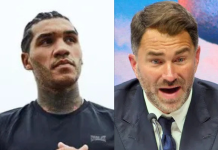































The increasing number of fighters and champions – former and reigning – opting for Dana White’s Zuffa has reshaped the boxing landscape. But it also raises serious concerns about long-term financial stability and control. A well-known White critic, Oscar De La Hoya, believes there are significant trade-offs to consider.
“Again, the Saudis are 100% fully funding Zuffa,” De La Hoya warned. “So fighters, beware and make sure you read the fine print. Because you may need to get out of your Zuffa contracts in a few months. There might not be any money left.”
His comments on the latest episode of Thursday ClapBack follow the recent induction of Edgar Berlanga and Richardson Hitchins. A few days ago, former cruiserweight title holder Chris Billam-Smith also announced his deal with Dana White‘s boxing promotion.
However, Oscar De La Hoya‘s concerns extend beyond fighters joining Zuffa and move into the broader structure of the sport. He addressed the controversy surrounding the proposed Muhammad Ali American Boxing Revival Act. Backed by TKO, which owns the UFC and the WWE and has a major stake in Zuffa, the bill plans to introduce a few changes to the existing Ali Act.
The move has drawn scrutiny from several figures across the combat sports world, particularly over the creation of a UFC-style UBO (Unified Boxing Organization). In that context, as someone who does not see eye-to-eye with White, De La Hoya outlined his position on the Revival Act and what he plans to do next.
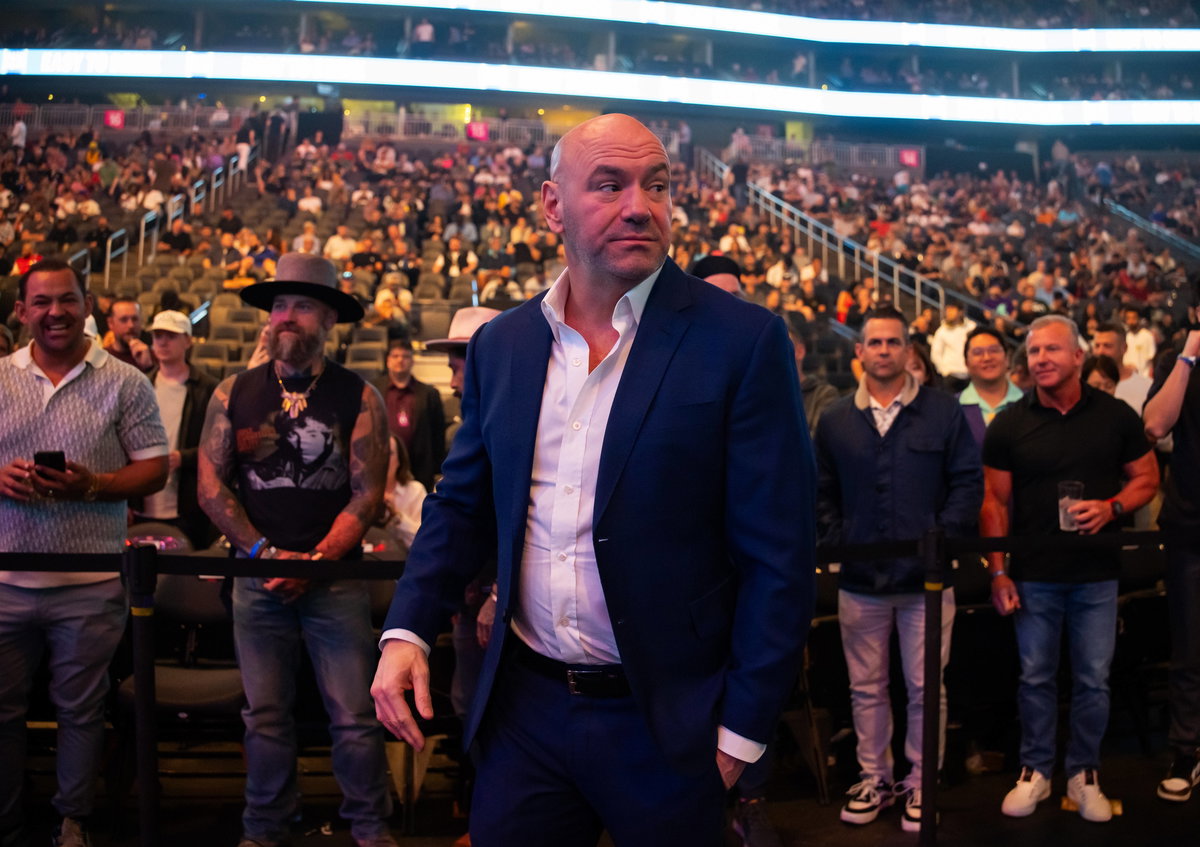
“And speaking of Zuffa, man, they’re trying to get their scumbag amendments to the Muhammad Ali Act passed through the Senate,” he said. “But you know what? I’m actually going to Washington, DC, next week to testify in person against it and explain again why this act does not need to be changed.”
He argued that the Muhammad Ali Act has protected fighters for over two decades. But companies like TKO and Zuffa want to introduce changes so that they gain more control and establish a system that mirrors the UFC, reinforcing his concerns.
Intriguingly, that position now reflects a growing split across boxing.
Oscar De La Hoya, Nico Ali Walsh lead charge against Ali Revival Act
The Revival Act, which now sits with the Senate after receiving a 30-4 bipartisan approval at the House Committee on Education and the Workforce, is beginning to face organized opposition.
One of the more notable responses came last week, when Nico Ali Walsh, Muhammad Ali’s grandson, announced the formation of a group called the Ali Act Preservation Alliance. Besides him, it includes Oscar De La Hoya and WBC (World Boxing Council) president Mauricio Sulaiman, totaling over 30 boxing stakeholders. The alliance plans to safeguard the original Ali Act of 2000.
“The Ali Act Preservation Alliance believes it speaks for stakeholders across boxing and all combative sports in calling for the United States Senate to reject the so-called ‘Boxing Revival Act’ and see it for what it is: a dangerous and unfair exception to the law that protects the fighters and which is named for boxing’s greatest hero, Muhammad Ali, who fought within the sport and society at large for justice and civil rights,” their statement read.
Nico Ali Walsh has reportedly warned that the proposed changes to the Ali Act could eventually give one organization too much control over boxing. Even with claims that they are only adding to the law, those additions could still change how the sport operates. Walsh argued that if companies gain control over matchmaking, contracts, rankings, and titles, it could lead to a monopoly over time.
Forming part of the same effort, that growing pushback aligns with De La Hoya’s planned visit to Washington, DC.
That said, attention now turns to the next episode of Thursday ClapBack, where De La Hoya has promised to expose TKO’s “lies” and further escalate the debate.