


























The 2024 Paris Olympics etched its place in history for a variety of moments. From Joshua Cheptege setting an Olympic record to Team USA setting multiple world records. But the fact that breakdancing was introduced as a sport certainly put it in the spotlight. That has paved the way forward for several other sports as the Olympic Qualifier Series returns ahead of LA 2028.
That was confirmed during the IOC’s most recent executive board press conference by president Kirsty Coventry. “The Q-Series is an exciting global event on the road to the LA28 Olympic Games,” Coventry said, as per Olympics.com. “It’s one format, four stops, six sports. The goal is to boost athlete visibility and global fan engagement. We cannot wait for the series to kick off.”
Much like the 2024 Q-Series, the 2028 version will take place right before the Olympics kick off. However, unlike the 2024 version, the 2028 edition will feature four stops across two different continents. It will begin in Tokyo in early May, which marks the perfect starting point for the series.
That’s because the 2021 Tokyo Olympics marked the first time that BMX freestyle, skateboarding, climbing, and 3×3 basketball made their Olympic debut. Following that, the series moves to Shanghai, where the Q-Series first began in 2024. The organizers will hold that in mid-May before the series crosses the Pacific Ocean to Montreal.
It will be the first event held in the iconic 1976 Olympic Park as it rebuilds its legacy. The series will then end in Orlando in mid-June, just before LA 2028 kicks off. The four cities will host qualifying events for six sports: 3×3 basketball, beach volleyball, BMX freestyle, climbing, flag football, and skateboarding.
For climbing, 50% of the qualifying places will be available through World Climbing events, and the remaining will be available at the Q-series. The qualifying details for the other five sports have yet to be confirmed, but beach volleyball will compete at three of the four stops.
“We believe the Olympic Q-Series will be really exciting for fans and for the host cities,” Coventry added. “The fans will be right there with the action – the festival feel, the sport, music, culture – coming to life in iconic cities. It will be fast-paced and high-energy, with lots of action, world-class athletes, and a huge focus on youth.”
Expanding to four stops after its debut edition, the decision comes on the back of 2024’s success. Held only in Shanghai and Budapest, it showed off just how popular the event was and proved to be the ideal prelude to the Olympics.
The 2024 edition of the Olympic Q-Series was a hit
For many athletes, earning a place at the Olympic Games is sometimes far tougher and nerve-wracking than the Games themselves. Nothing proved that better than the 2024 Q-Series, where over 400 athletes competed to be a part of the 2024 Paris Olympics. The inaugural version of the event featured qualifying events for BMX freestyle, breaking, skateboarding, and climbing.
It was created to help bring fans and momentum to the Olympic Games. Pierre Fratter-Bardy, associate director for Olympic Games Strategy and Development team, attested to that.
“The timing, from May to June, has been chosen to build excitement and momentum for the Olympic Games, which in turn will benefit the host region and country of Paris and France,” said Fratter-Bardy, as per Inside Climbing in 2024.
“The Series will conclude in Budapest on Olympic Day, 23 June 2024 – which also marks the final day that athletes for any sport will be able to qualify for Paris 2024.”
Held in both Shanghai and Budapest, the Q-series had over 100,000 people watching during the event. It turned into a historic night for the IOC, especially as 23 medalists from the four events qualified through the series. That included all the medalists in BMX freestyle, while Indonesia’s Veddriq Leonardo won both the Q-series in Shanghai and an Olympic gold.
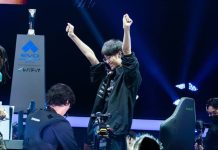
He wasn’t the only one, as Brooke Raboutou won the women’s Boulder & Lead climbing event in both Q-series cities. She would eventually win a silver medal in Paris. Meanwhile, B-girl Ami won silver in both cities and went on to win gold in Paris. Beyond the qualifiers, the Q-series became a mega-event for spectators and athletes alike, with the IOC making the most of the opportunity.
It helped turn Paris 2024 into the success that it eventually became despite the criticism flying in. There is hope that the 2028 Olympic Q-series will get bigger and better and boost LA 2028.