













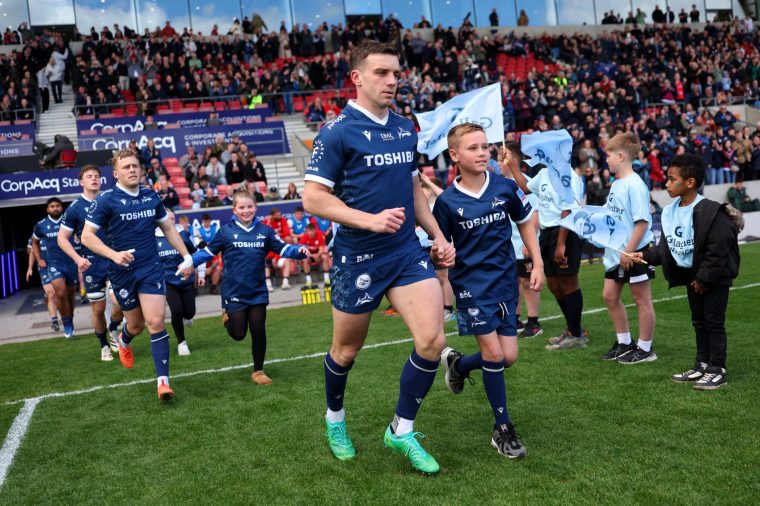
It has been a frustrating season for Sale Sharks, with a slump in results, and their 11,400-capacity stadium never close to being full for a league match.
Having done so well to reach the Premiership play-offs in four of the last five seasons – including a final in 2023 – they will finish a lowly seventh at best.
A fresh blow hit the Sharks last month when they launched an ambitious new brand as the Prem’s “Northern Force” on the same day as Saracens swept in from the south and beat them 85-19.
Sale are lucky to have dedicated, generous and highly visible owners in Simon and Michelle Orange, and Ged Mason, who have worked hard at making top-class rugby union work in an area of north-west England packed with famous football clubs and long-established rugby league.
But with Sale Sharks’ league crowds stuck between a season’s low of 5,050 and the Boxing Day best of 8,377 for the visit of Harlequins, what can they do to keep up in the Prem’s franchise future?
Their own ‘Big Game’
Playing one-off matches at bigger stadiums, such as Saracens at Tottenham Hotspur and Bristol Bears in Cardiff, is a familiar Premiership tactic to find new fans.
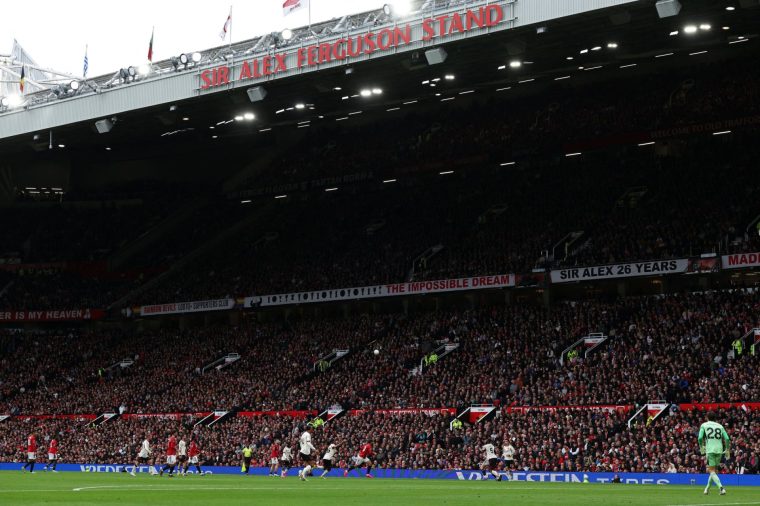
Sale Sharks tried one at Bolton Wanderers in 2011 and The i Paper understands they have been exploring another attempt at Manchester United, Manchester City, Bolton or Everton.
The worry is Sale might only fill the lower tier at United’s famous Old Trafford ground, so a full Toughsheet Community Stadium in Bolton might be a more attractive look.
Leeds Rhinos RL’s owner Paul Caddick last week floated the idea of Sale occasionally using Headingley Stadium in a cross-Pennines venture.
Sarah Butler runs a sports PR agency and was head of PR at Harlequins when they launched their annual “Big Game” at Twickenham in 2008.
“We had crowds of 6,000 to 8,000 at our own ground at the Stoop not long before that,” Butler tells The i Paper.
“Big Game at Twickenham was capped at 50,000 the first year, and sold out, then we hit the 82,000 capacity within three years.”
Since then, Quins have been accustomed to sell-out 14,800 crowds at The Stoop, suggesting they converted some of the one-off “eventers” into regular attenders.
“If Sale are going to do a ‘Big Game’, they will hold it in Manchester,” Butler says. “They could use an iconic stadium and go for it. It’s all about engaging with the future.”
Go mad about Manchester
The club restyled themselves as Manchester Sale in the late 1990s, then reverted to Sale, the suburb from which they hailed, and added Sharks in a well-tried sports marketing ploy.
They do not play in Sale – a plan to return home in a stadium at Crossford Bridge faded in 2021 – and last year, the club dropped the words “Sale Sharks” from the match jersey last year, leaving just the shark logo.
Sale attendances this season
Capacity: 11,400
- Won 27-10 vs Gloucester: 5,050
- Won 57-5 vs Newcastle Red Bulls: 5,785
- Lost 27-26 vs Exeter Chiefs: 5,635
- Won 43-17 vs Harlequins: 8,377
- Lost 43-29 vs Northampton Saints: 7,545
- Lost 31-26 vs Bath: 6,871
- Lost 85-19 vs Saracens: 6,055
Remaining fixtures: 17 May v Leicester Tigers and 6 June v Bristol Bears.
So is the Manchester name worth refloating?
Butler recalls the elements of what worked for Quins in a similar battle for eyeballs.
“We tried to create Quins as London’s only club,” Butler says, “even though Saracens, Wasps and London Irish were around then, not to mention other sports, and theatre and theme parks and all the other attractions.
“We made a shirt with the London skyline on it. We had photoshoots in front of St Paul’s and Tower Bridge. The players walked round London in full kit, and Sky showed it on TV. We kept banging the drum: ‘We are the London club’.”
Sale have signed England legend Courtney Lawes for next season, and they also have the marketable Curry brothers, although injuries mean they have not played a minute together for Sale this season.
Butler also worked on T20 cricket in Sussex and again tied a nebulous team (coincidentally the Sharks) firmly to the city of Brighton.
Butler would ensure Sale’s “cracking set of players” relentlessly link themselves to Manchester, if the club reckon that is the favourite context.
Or think bigger?
Northern Force is a punchy strapline, and sports marketers love emotion and history – where would Manchester United be without it?
As Sale looked to boost season-ticket sales, they unearthed the story of the pick-up team of top players they sent to the Middlesex Sevens in 1936, carrying the Northern Force nickname.
The sports broadcaster Mark Chapman, a Sale fan from his youth, was an authentic narrator, and it followed the “Northern Matters” slogan previously used by the club.
Locally-raised head coach Alex Sanderson is another great advocate for the theme.
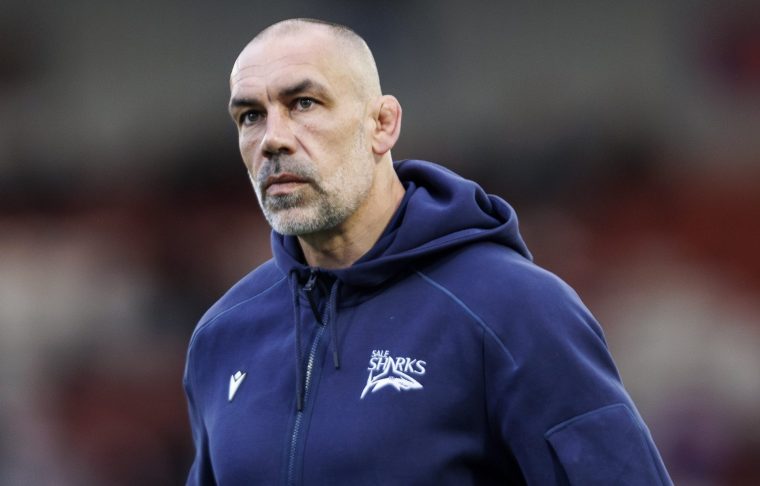
And club sources say there are local businesses who identify with the idea of being marginalised by the south.
As Butler points out: “I see Newcastle as northern, and they now have Red Bull’s cash behind them.”
No one can accuse Sale Sharks of lacking ideas or effort.
Their community foundation last season delivered more than 30 programmes to 21,000 people across the region, of whom 17,708 played some rugby.
Whichever way they go, Butler says they need to “get the brand out there and make the people think ‘it’s ours’.”