
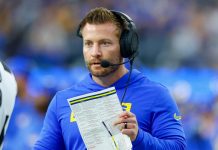

























The NFL scheduled the Green Bay Packers and the Los Angeles Rams for Wednesday, November 25 – Thanksgiving Eve – and put the game behind a Netflix subscription. But the schedule has created a headache for Rams head coach Sean McVay and his coaching staff. The Rams will play their first game back from the bye week in that slot, and the timing creates a conflict that the league will have to figure out how to solve.
“The Packers and Rams will play on the Wednesday before Thanksgiving,” Pro Football Talk wrote on X. “Which shortens their bye weeks and raises a question under the CBA as to when the players will get their mandatory four-day break.”
The league’s Collective Bargaining Agreement’s Article 24, Section 2 mandates a minimum of four consecutive days off period during the regular season, including the bye week. The CBA doesn’t account for a team playing on Wednesday immediately after the bye. If the league doesn’t make any changes, the Rams risk losing their weekend off before the game. The Packers, on the other hand, get the advantage.
“For the Packers, who play at New Orleans the following Sunday, they’ll have more downtime after their post-bye game than before it,” reported Mike Florio. “The Rams, who host the Chiefs the ensuing Thursday night, will have a truncated bye, eight days off, and then the usual mini-bye following a Thursday night game.”
Now, because of this scheduling wrinkle, both teams skip the full 14-day bye cycle and instead get just 10 days between their last game and the break. That is less recovery time than Sean McVay normally gets to reinstall his offense and manage his roster. The league, meanwhile, had no choice but to make this decision by their own.
The Packers and Rams will play on the Wednesday before Thanksgiving. Which shortens their bye weeks and raises a question under the CBA as to when the players will get their mandatory four-day break. https://t.co/HPsW37pbWz
— ProFootballTalk (@ProFootballTalk) May 17, 2026
The NFL prohibited Friday and Saturday broadcasts last November, which is why they couldn’t schedule the game on the Saturday before Thanksgiving. The league chose teams coming off their bye – the only workable solution – to tackle this. But that decision now falls directly on McVay’s staff.
Sean McVay’s team travels to Green Bay for the game, then hosts the Kansas City Chiefs on Thursday night eight days later. That compressed prep time before a prime-time road game isn’t a normal state for a coach juggling the Rams’ injury list and offensive installation. McVay has built his career on developing timing and rhythm, but this schedule breaks both.
The league hasn’t yet confirmed whether it reached a side agreement with the NFLPA to adjust Article 24, Section 2. If it did not, the move reads like a last-minute deal sold before the schedule became public, and that’s now how the NFL normally handles CBA obligations.
“Ideally, the league would have gotten permission to deviate from the settled terms of the CBA before setting the game,” Florio continues. “If that didn’t happen, there’s a ready-fire-aim quality to the effort to find yet another standalone window.”
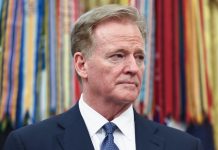
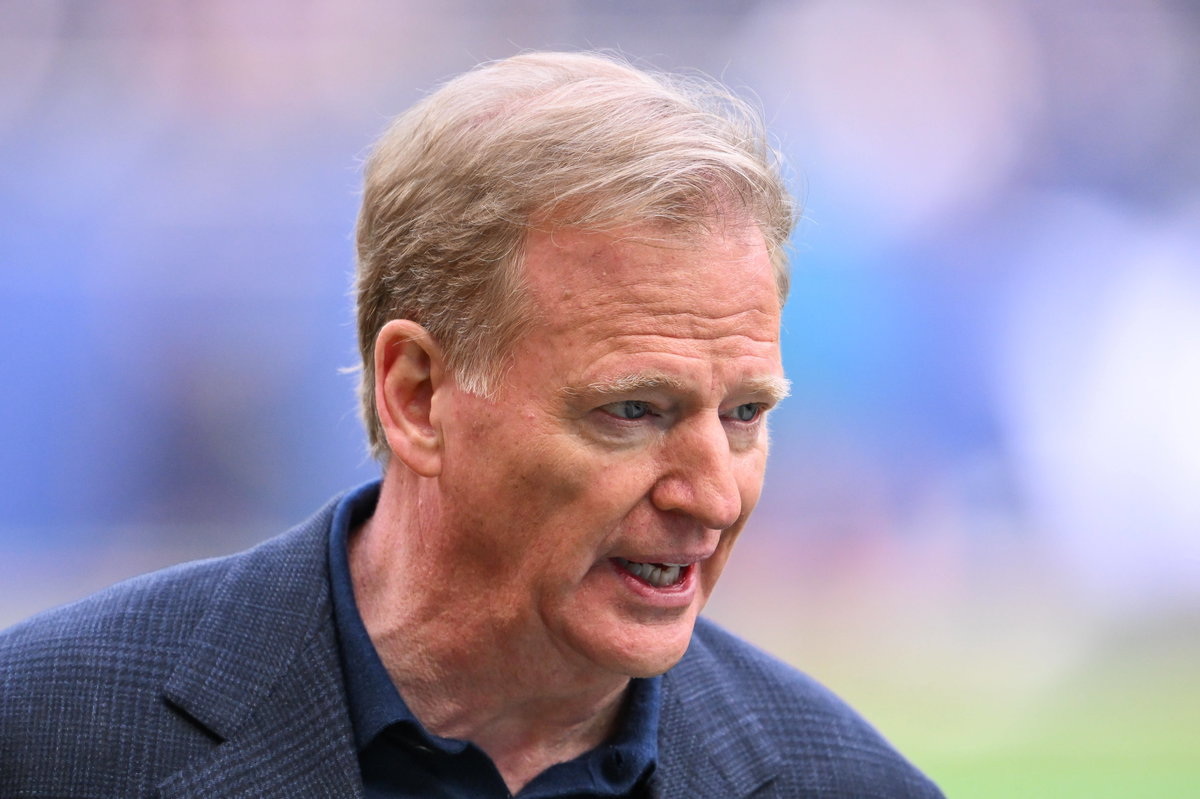
The Wednesday slot is the first standalone Wednesday-before-Thanksgiving game in the league’s history, which explains why Article 23, Section 2 isn’t built to handle it. It is also the first time the league has moved a marquee holiday game to a paywalled stream. Netflix is the exclusive broadcaster for the game, and fans outside specific markets need a subscription to watch. That decision has become a headache for NFL Commissioner Roger Goodell, too.
Wisconsin pushes back against the NFL’s streaming plans
When the Packers-Rams game airs exclusively on Netflix, fans who do not pay for the subscription will miss the game. For Green Bay, missing out on watching their home team play because of a paywall is unacceptable, and that is the fight Senator Tammy Baldwin (D-WI) has taken up with her For the Fans Act.
“As the cost of just about everything continues to rise, the NFL is once again asking Wisconsinites to spend their hard-earned money on another streaming service,” Baldwin said. “Enough is enough. My For the Fans Act would stop this exact scenario and prevent Wisconsin families from being forced to pay for Netflix just to watch the Packers play this Thanksgiving.”
Baldwin’s new act would require all nationally televised games involving a home team to be available throughout their state for free, via broadcasting or streaming. The league has been switching to more streaming providers to increase revenues, but fans loyal to their teams are facing the toughest turn.
Baldwin’s office also noted that a Wisconsin family ends up spending around $1,500 per year on just streaming platforms to watch their teams: the Packers, Brewers, and Bucks. That is the monetization strategy Baldwin is battling against.
Even President Donald Trump has spoken up against what people have to pay to watch football. In addition to this, former ESPN president John Skipper has also stated that Roger Goodell’s decision to renegotiate broadcasting deals is impacting the legacy media houses, especially with the kind of financial backing the giants like Amazon, Netflix, and Google have.
“Roger is pushing the deals out further because he knows the traditional media companies are only going to get less powerful and less wealthy,” Skipper said on Pablo Torre Finds Out. “And he’s going to make it, he’s very cleverly brought gradually all the streamers in, the big tech companies, because they can afford to pay $4 billion – $5 billion.”
The common take here is that these streaming platforms help with the league’s global push. Last season’s first-ever free YouTube NFL broadcast had pulled in viewers north of $17 million, so that argument certainly tracks. But the league is also extracting more from its audience under the umbrella of exclusivity, and sooner or later that bill will come due.
For now, Sean McVay’s Rams face a compressed bye, a prime-time road game, and a Thursday night hurdle. The league sold the window to Netflix before solving the CBA issue. Fans are being asked to pay, and the players are being asked to play on a shifted schedule. The NFL is winning every deal it makes, and handing the bill to the rest.