






















Madison Square Garden is not just home to the New York Knicks or the New York Rangers. It’s history and legacy, and a dream destination for every athlete. However, what happens when a visit turns into a nightmare?
Recently, investigative journalist Pablo Torre and The Wired correspondent Noah Schachtman revealed insights into James Dolan’s security measures at the Garden. For a while now, rumors have said that the Knicks boss used surveillance tools, including facial recognition, to identify and exclude people from venues. Especially lawyers, critics, and other perceived adversaries.
“There’s this one teenager in Colorado who said something on Twitter, and Eversole and the Madison Square Garden security staff went into freak-out mode,” Schachtman shared on Pablo Torre Finds Out. “And they actually called the local cops on this kid. But when that happened, according to one of our sources, here’s a quote: they would, quote, freak the f–k out.”
Schachtman added, “We even got another text message about this, and I’m quoting here, ‘At least they scared the crap, poop emoji, out of some 14-year-old kid in Colorado.’” He further shared, “One veteran of Madison Square Garden security told me that Dolan would, quote, come in, and he and Eversole would pore over all these social media comments about the Knicks and the Rangers.”
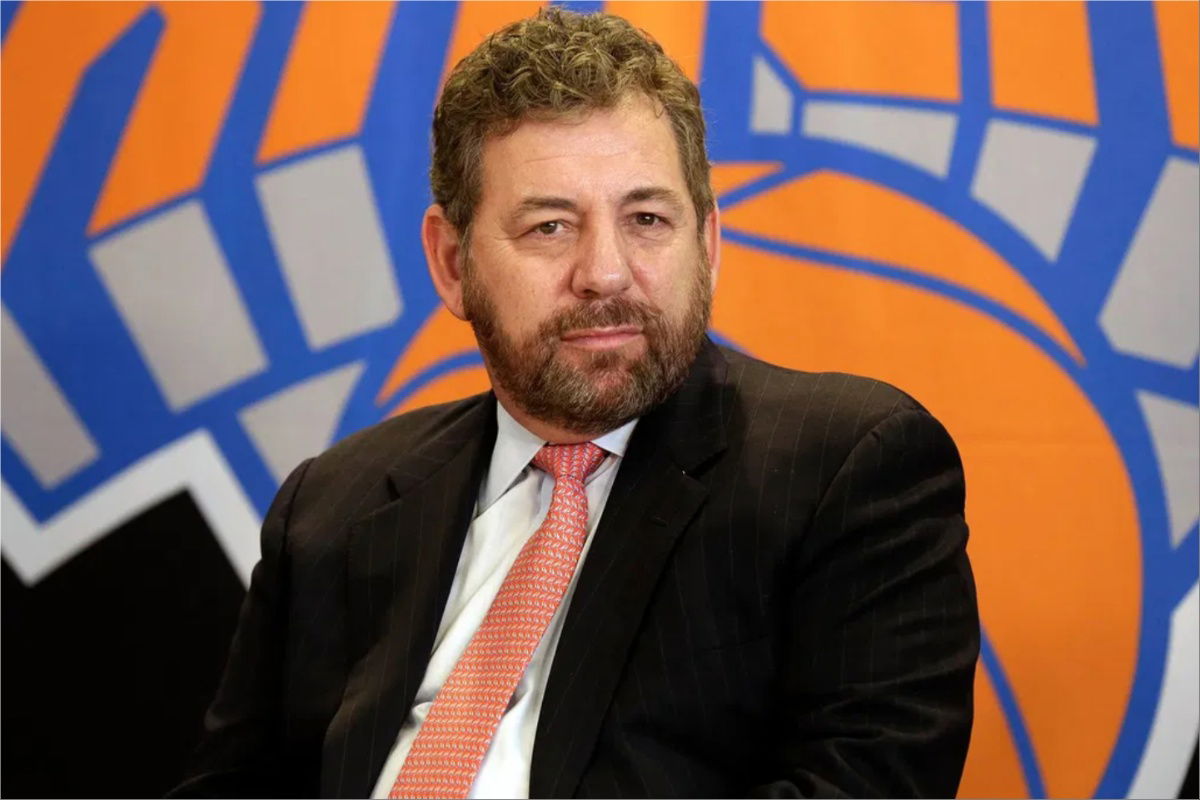
Now, last year in October, former MSG security vice president Donald Ingrasselino filed a lawsuit that lifts the curtain on just how far that surveillance obsession goes. Ingrasselino, a former New Jersey detective and DOJ agent, said his time at MSG took a sharp turn after he requested basic support for his disability. Instead, he described a swift backlash.
According to him, internal actions followed that felt punitive in nature, framed as routine procedure. Meanwhile, his whistleblower complaints were allegedly pushed aside rather than addressed. As a result, what began as a request for fairness escalated into a deeper conflict with the organization. Furthermore, Ingrasselino outlined troubling expectations tied to his role.
He said the organization instructed him to extensively investigate flagged individuals and examine highly sensitive personal and financial details. This reportedly included social security data, family imagery, and tax-related records. Therefore, the lawsuit described these practices as a serious breach of privacy and raised concerns about how far internal scrutiny went.
Meanwhile, Noah Schachtman and Pablo Torre revealed some internal exchanges that hinted at something far more structured, where reactions to crowd behavior were anything but spontaneous. Moreover, the implications stretched past the Rangers and into the Knicks’ ecosystem, raising deeper questions about how criticism was handled behind the scenes.
Inside MSG’s “Top Flight Security”: Knicks Boss’ surveillance team
The New York Rangers and New Jersey Devils opened their fourth and final regular-season clash with immediate chaos. A full 4-on-4 line brawl erupted just two seconds after the puck dropped. Tensions had clearly carried over. Moreover, the scene echoed May 5, 2021, when the Rangers faced the Washington Capitals, a night already charged before puck drop, with emotions boiling over into complete on-ice disorder.
Now, on May 5, 2021, as the game spiraled into chaos with multiple early fights, the security team focused elsewhere. As the Capitals built a lead, attention in the group chat shifted to fans. They chanted “sell the team” and “Dolan sucks.” Dolan’s security team tracked sections, clothing, and exact locations in messages. Then came instructions to isolate individuals, stay discreet, and remove them, revealing a highly organized response to fan dissent over the on-ice turmoil.
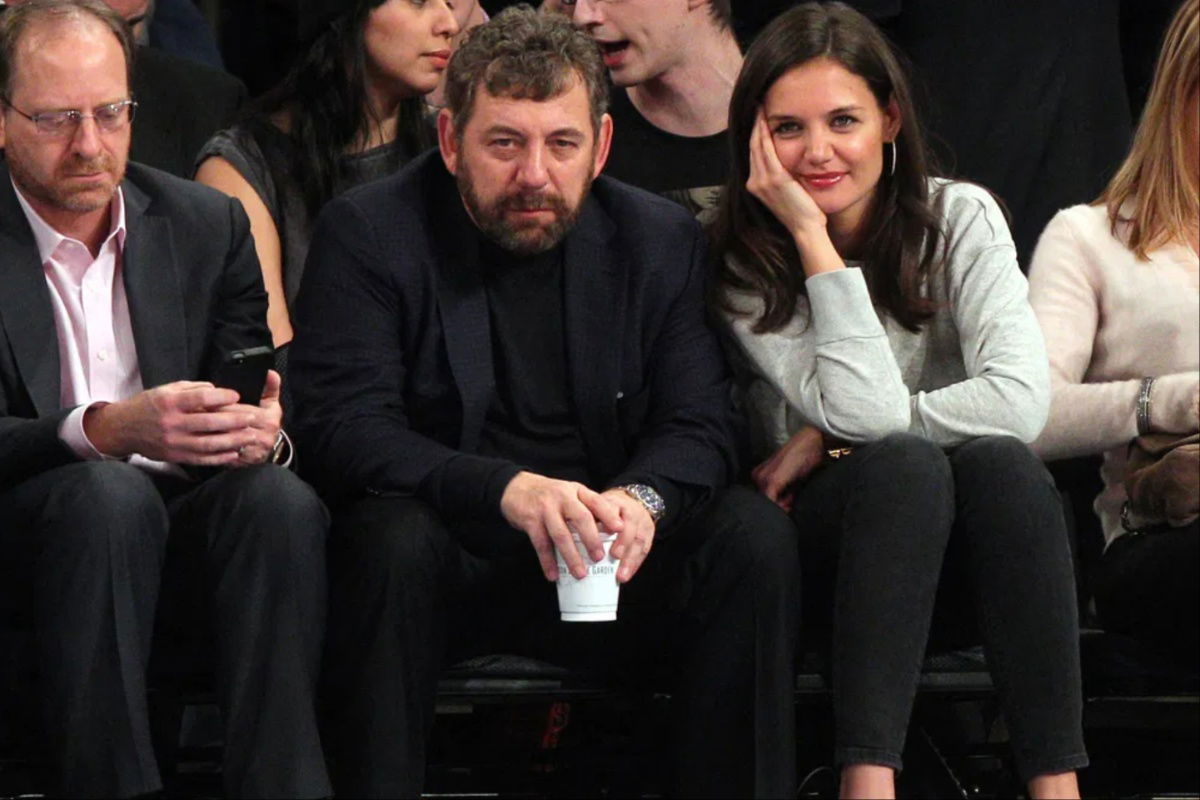
The most striking details emerged later, as the chat moved beyond routine crowd control. Security personnel discussed sending fan information to an intelligence team for deeper profiling, called “workups.” Mentions of “load in facial” pointed to facial recognition being used for identification.
The exchange outlined a structured system where criticism of James Dolan led to coordinated monitoring and tracking. It also raised serious concerns about internal practices and possible follow-up actions.
Madison Square Garden stood at the center of a growing storm around the New York Knicks boss. What surfaced went beyond isolated claims and pointed toward a deeper system. Moreover, voices like Noah Schachtman and Pablo Torre, alongside Donald Ingrasselino, painted a troubling picture. As tensions played out publicly, focus shifted behind the scenes, raising questions about control and accountability.