





















This will be the first time since 1948 that the NFL will host the Draft in Pittsburgh. Back then it was a quiet affair, with not much fan-fare. 78 years later though things are different with the place expected to draw over 700,000 fans in Point State Park and Acrisure Stadium, with more than 50 million viewers tuning in. Given that Senator John Fetterman wants a really important security change ahead of the event and it’s not without a reason.
The NFL Draft has never been classified above a federal security level 3. But Senator John Fetterman wants the event’s SEAR rating bumped from Level 3 to Level 2, and his reasoning is the war in Iran. To this end, he’s sent a letter to Markwayne Mullin, Secretary of the Department of Homeland Security. He wants the event’s SEAR rating bumped from Level 3 to Level 2, and his reasoning is the war in Iran.
“Previously, DHS designated the Draft a Level 3 SEAR event, but I urge DHS to elevate it to a Level 2 SEAR event given the changing threat environment in the wake of the war in Iran,” Fetterman wrote in his letter. “A Level 2 designation would provide greater coordination and deployment of federal, state, and local law enforcement, as well as counter-drone support, K9 units, and intelligence analysis and sharing.”
The SEAR system (Special Events Assessment Rating) runs from Level 5 to Level 1. Level 5 is for local events that the state and city handle themselves. Level 1 is the Super Bowl and the Rose Bowl. The draft sits at Level 3, where the feds show up, but don’t run things. The Daytona 500 and the U.S. Open Tennis Tournament fall under Level 3.
Fetterman asks for heightened security for NFL Draft in Pittsburgh https://t.co/0XLDp2r9wc Sen. John Fetterman (D-Pa.) is pressing the Department of Homeland Security (DHS) to boost security at the National Football League (NFL) draft set to take place in Pittsburgh later this …
— America’s Pick (@nims213) April 3, 2026
Level 2 is the Boston Marathon, the Indianapolis 500, Times Square on New Year’s Eve. At that level, the federal agencies run the operations on the ground themselves. With the current state of tensions with the Middle East, Fetterman argues that the Draft belongs in that tier now. With around 700,000 people expected to visit Pittsburgh over the three days of the Draft, the “threat environment” Fetterman talks about cannot be ignored.
Previous draft hosts ran at Level 3 without anyone formally pushing back on that. But there’s a precedent for event upgrades across sports. In October 2023, DHS bumped the Formula One Las Vegas Grand Prix from Level 3 to Level 2 after determining that its scale warranted it. Fetterman’s letter is making the same argument for Pittsburgh’s Draft. The request is on record now; DHS either upgrades the classification or explains why it won’t.
Security is the loudest issue right now. But Pittsburgh has been managing a longer list. Since last fall, the city has been filling storefronts, scrubbing neighborhoods, and renovating public squares, all of it on a clock. Some of that work is on track. Some of it has problems that the economic projections don’t mention.
Pittsburgh’s makeover for the NFL Draft
Last February, the planning commission voted 7-0 to overhaul Market Square. The plan included removing traffic from the entire southern half, expanding outdoor dining, and adding a pergola-like structure for events and holiday markets. Even a year before this, Governor Josh Shapiro had pledged upgrades to Point State Park when the city was named the draft host.
“Pittsburgh has established itself as one of the most dynamic cities in the country – and as the birthplace of professional football, it is the best choice to host the draft,” Shapiro had said. “With all eyes on Pennsylvania during the nation’s 250th birthday, the Commonwealth is excited and ready to work together to host this historic draft and show the country what Pennsylvania is all about.”
Even Pittsburgh Steelers president Art Rooney II had stressed maintaining the timeline last offseason. Meanwhile, the physical cleanup has been up and running for months. Allegheny CleanWays has removed more than 400 tons of litter since the ‘Immaculate Collection’ campaign began last September. But Mayor Corey O’Connor stopped pretending the timeline was comfortable in March.
“You know, we’re making sure that it is [finished], it’ll be close,” O’Connor said. “We’re not going to lie about that. It’s going to be a close time frame.”
In contrast, Jeremy Waldrup, Pittsburgh Downtown Partnership’s CEO and President, held the line.
“They’re working seven days a week,” Waldrup said. “We’re pulling some overtime shifts to make sure that we’re ready, but we’re confident.”
The numbers behind all of this are significant. Pittsburgh is projected to have between $120 million and $213 million in economic impact from the draft. Green Bay’s 2025 Draft brought in $104.7 million statewide, and Pittsburgh is targeting well above that ceiling. To close the gap on nearly 50 empty storefronts in the Golden Triangle, the Pittsburgh Downtown Partnership started a pop-up retail program, offering monthly rent subsidies to get businesses through the door before April 23.
“We’re not looking to just put businesses in that’ll do well for three days,” said Cate Irvin, senior director of economic development. “We want businesses that’ll do well for three to 30 years.”
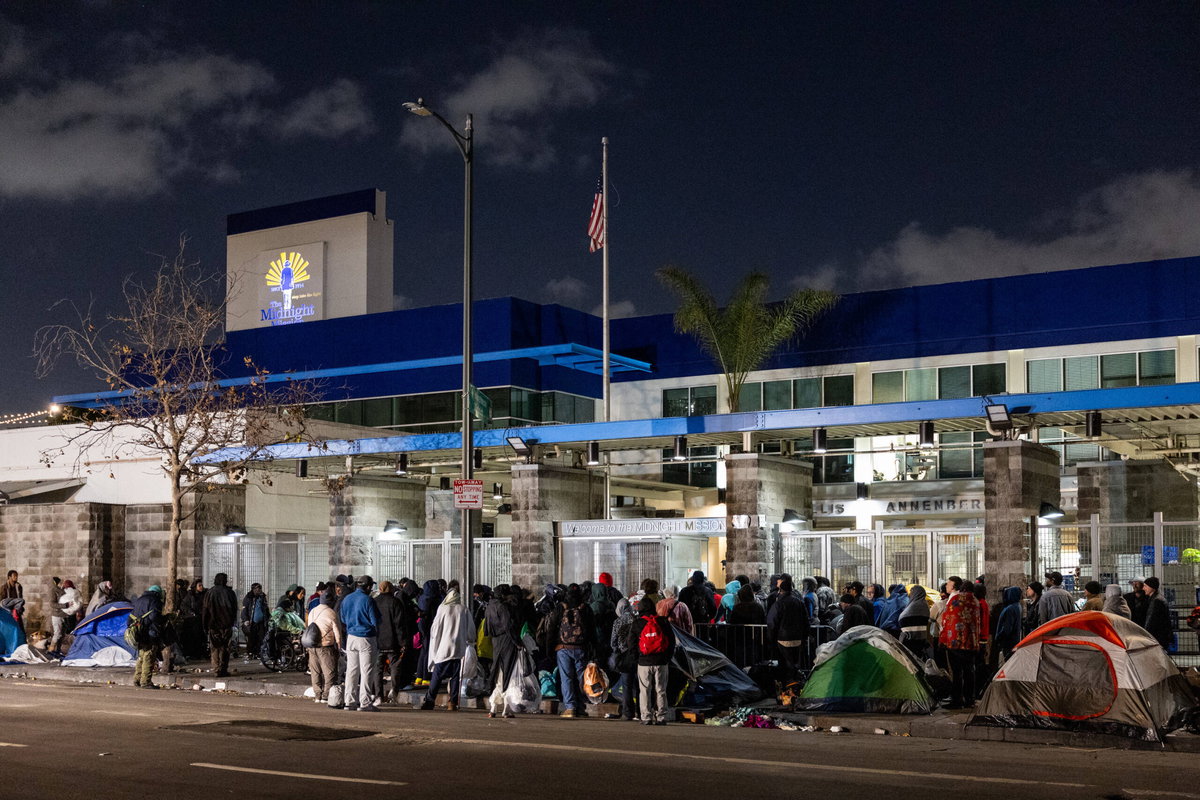
“Displacement from Downtown, the North Shore, and the South Shore means displacement from communities with food and safety support,” Sam Schmidt, co-founder of Our Street Collective, said recently. “Pushing people further from these areas, especially downtown, makes surviving homelessness incredibly difficult.”
A three-day event that reshapes foot traffic and closes routes can cut off people from their needs. The Steelers have stated that they’re funding extra police patrols and “supporting the homeless.” But Detroit’s 2024 draft offered the closest preview: unsheltered residents moved themselves because of road closures, and the hoards of visitors filling every corner of the city made it harder for the residents to move around. Despite the preparations, Pittsburgh might see the same thing happen.
The city’s safety net for its most vulnerable residents is a triage center at Second Avenue Commons. But it opens when the winter shelter closes on April 30, five days after the draft. Pittsburgh spent more than a year preparing for 700,000 visitors. But it looks like it had less to say about the people already there.