






























Four LSU athletic programs play at the highest level including football, men and women’s basketball, and baseball. That’s great news until revenue sharing enters the mix because if everyone is playing well, where’s the money supposed to go? The Tigers have already poured close to a quarter-billion dollars into coaching changes, buyouts, and roster building. But they’re doing it with a strategy because not every program gets to eat the same slice of the pie.
Hunt Palmer of 104.5 ESPN shared how LSU is feeling internally with the $20.5 million revenue-share, starting with AD Verge Ausberry.
“You understand how Verge is thinking about this,” he said. “We drive the bus with football, gotta be awesome. We’ve got Lane Kiffin here, he’s gotta be awesome.”
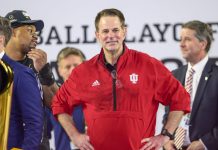
Football is the entire bus, set to get 75% of LSU’s revenue-sharing pie. No one really argues with that after the Tigers handed Lane Kiffin a seven-year, $91 million deal and backed it with a $40 million roster budget. But that share means every other program in the building is forced to adjust around it. And they aren’t trying to be equal across sports because they’re spending where it matters most.
LSU is investing in Lane Kiffin, Will Wade, and Kim Mulkey while also correcting a revenue-sharing mistake with baseball. Here’s how the Tigers are dividing the pie.
#LSU #LSUTigers #LaneKiffin #KimMulkey #WillWade #JayJohnson @HuntPalmer88 pic.twitter.com/uAS6Aad7j4
— 104.5 ESPN (@1045espn) April 9, 2026

“We’ve gone and invested in Will Wade, that’s a money maker for us, we can make more money at it, we gotta do that,” he said.
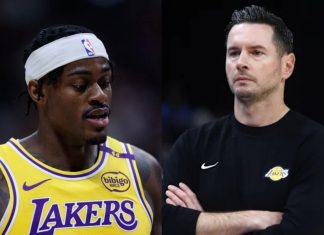
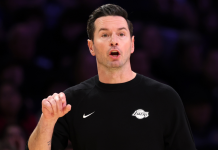
Men’s basketball commands 15% after Will Wade walked into Baton Rouge on March 30 with promises and expectations. LSU sees basketball as a revenue generator again, including Kim Mulkey’s women’s basketball program, the most consistent winner in the department. So she’s also getting her slice but where does that leave baseball?
“Essentially what has been determined here after a year of rev shares, that LSU fell in line with a lot of places and did it with that hard and fast number that the NCAA lawsuit settled, which pushed baseball to the side,” Palmer added. “It was a mistake, it should not have been done that way, and it’s being corrected. It has not been officially corrected, but it needs to be corrected.”
Initially, baseball got squeezed hard. It had to split 5% revenue with the rest of the other sports including softball, gymnastics, and Olympic sports. Now, the AD has already moved to give baseball its own 5% slice, on par with women’s basketball, and hinted at more NIL backing to follow.
Every dollar redirected to baseball has to come from somewhere. So which sport bore the brunt of the changes? Palmer quoted “Olympic and non-revenue sports” which are the ones taking the hit. Now with all the adjustments made, there’s still one big question to ask.
Can every LSU program become national title contenders?
When Verge Ausberry sat down with Matt Moscona, he didn’t stay vague.
“I don’t think so,” he said bluntly. “I think you have to be very smart in how you do it. I think there’s a special talent in a sport that you might say, okay, you know what, could we do something here with NIL dollars to do it to get this person here. But to say that we could spread the money over everything right now, that’s not going to happen.”
And it’s not just LSU going through this. Other financially well-off schools like Texas and Texas A&M are stuck in the same situation. As Ausberry added, “everybody is in the same boat.”
As one LSU donor said, “Why not win in Year 1? You don’t build stuff over three, four years anymore.”
Lane Kiffin delivered quickly in just four months. LSU football brought in nine Top-100 transfers, including the No. 1 QB, No. 1 OT, and No. 1 edge rusher. And it takes money to build a roster with that kind of aggression and urgency. So you can see why everyone is excited to see how football fares this season. The Tigers are defining their identity and right now, it runs through football.