

































STADE DE FRANCE — England pulled out a performance of immense heart and direct running and clever attack, and came within a missed kick of smashing France’s title bid and beating the French in France for the first time in 10 years.
And all the oppressive heat surrounding the future of England’s head coach Steve Borthwick was frozen in time in the chill of a sensational Parisian evening and a crazy 48-46 win for the French that gave them a second straight Six Nations title.
There are still huge questions for Borthwick to answer.
Still, head-scratching concerns remain over the boring, doom-laden way his England team had played before this, amid confusing messages about what they were aiming to do, in demoralising beatings in their previous three matches.
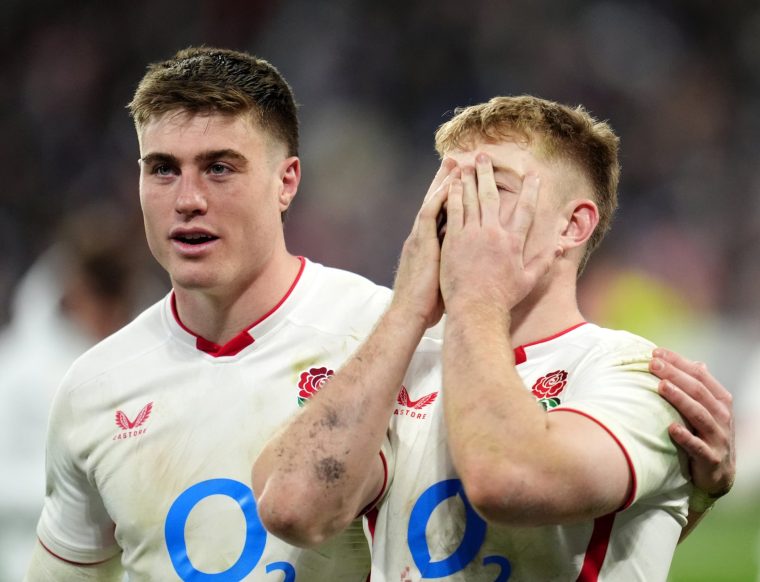
Borthwick’s employers at the Rugby Football Union (RFU) will now pick over the bones of England’s worst ever set of Six Nations results.
The first time they have lost four matches out of five is a statistic that will settle into the record books, even if on Saturday night the synapses were screaming to forget all that, and zing instead at the unleashing of Tommy Freeman and Ollie Chessum – who brought key balance in a bigger back row – and a more free and adventurous and focused England, scoring seven tries.
It was 10 years ago here that Eddie Jones and captain Dylan Hartley were the leaders as England sealed their second Grand Slam of the Six Nations era.
There has not been one since, which has to be rectified by those being paid big bucks to oversee an England men’s trophy cabinet increasingly covered in cobwebs.
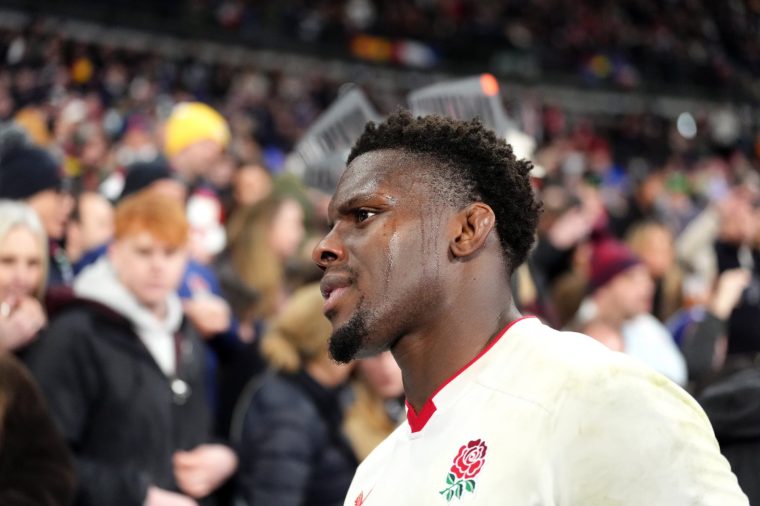
The achievement of Borthwick, his captain Maro Itoje and company in this latest edition was a great deal more modest.
The results on the Six Nations Super Saturday had England finishing in fifth place, above only Wales – who, by the way, are suddenly looking more formidable as pool opponents in next year’s World Cup.
The RFU chief executive Bill Sweeney made a cautious public statement of support for Borthwick after the Italy misery. Since then Twickenham has been indicating a view of wanting to support the coaching team, while being clear things need to change, and results to improve quickly.
You can see that being the context for Sweeney when he is scheduled to meet the media, the week after next, with Nations Championship trips to South Africa and Argentina ahead in July.
England waste no time in their reaction
Elliot Daly picks out Tom Roebuck perfectly and England are back in this
What a start in Paris
pic.twitter.com/NPjyzQXhTB
— ITV Rugby (@ITVRugby) March 14, 2026


Borthwick may well point to problematic injuries this season, to Fin Baxter, Will Stuart, Manny Feyi-Waboso, George Martin, George Furbank, Alex Mitchell and Ollie Lawrence among others.
But on this night, on this sumptuous Stade de France stage, you had to adapt a line from Sir Alex Ferguson and just say “rugby union, bloody hell”.
And to adapt another from the writer Douglas Adams – form in sport can be an illusion; form in the Six Nations doubly so.
For out of the wreckage of Edinburgh and Twickenham and Rome, there was relief and promise for England, in bucketloads, and if their goal-kicking had matched the brilliance of Thomas Ramos for France, they might have won.
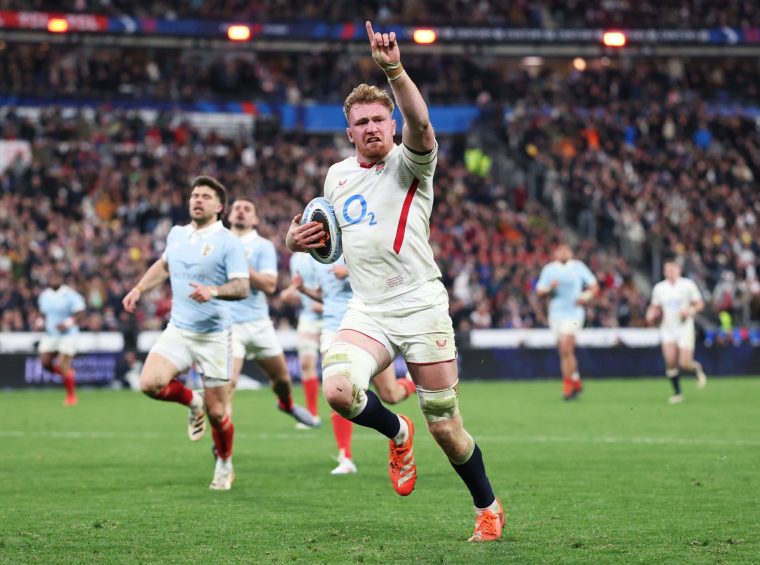
England won collisions, knocked French forwards backwards, and created and used quick ruck ball – all the stuff Borthwick had been promising when, pre-Championship, he grandly spoke of fans flooding across the Channel for this match, eyeing the title.
Judging by the unusually sparse numbers of white jerseys in the crowd, the majority of England followers had spent their money on last week’s trip to Rome and not this one to Paris.
As it turned out with this switchback display, they might indeed have wished they’d turned up here instead.
And then Ramos’s added-time penalty from close to 50 metres settled a sensational, ludicrous, two-point win, echoing the closeness of the results between these teams in 2024 and 2025.
Thomas Ramos kicks France to Six Nations glory
That has to go down as one of the great games in Six Nations history. pic.twitter.com/i7R6G4Gu64
— ITV Rugby (@ITVRugby) March 14, 2026


You lost count of the turning points in this match, but two of the bigger ones were Itoje making a turnover near his tryline and Chessum’s amazing interception try, during a period when England were plunged into all too familiar sin-bin hell again, having seen Ellis Genge collect the team’s ninth yellow card in the five Championship matches, for collapsing a maul.
The talented Chessum looked a fresh man in his No 6 role and his galloping intervention made the score 38-32 to France with 30 minutes to go, when it could have been 45-27 if the French had pressed their one-man advantage.
When Borthwick took over from the sacked Jones in 2023, he used a kick-heavy, data-driven style of play that took England to third place in that year’s World Cup, and had to be watched with gritted teeth.
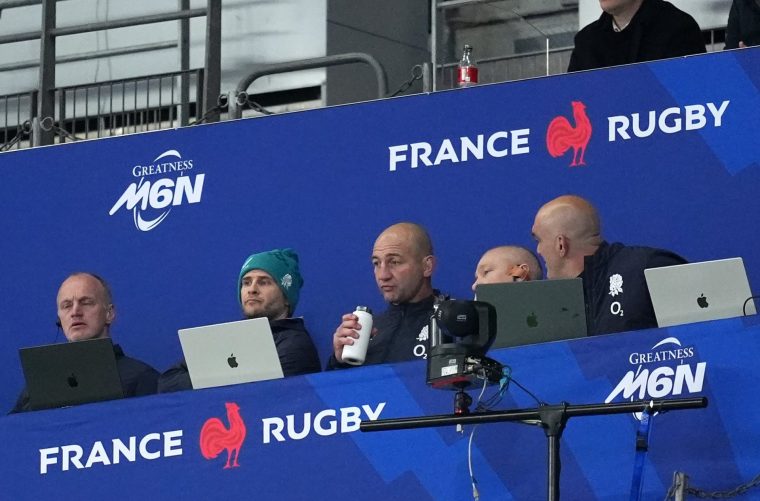
It was explained away by Borthwick’s short time in the job – although the great players available to him were still available.
It was only after that World Cup that the likes of Courtney Lawes, Owen Farrell, Joe Marler, Ben Youngs, Danny Care and Kyle Sinckler either retired or went off limits at French clubs.
Still, in brief moments during a 12-match winning run last year it felt as if the Borthwick project, for all its frustrations was heading somewhere good.
On this madcap night, the feeling returned.