































The Augusta National has added hundreds of yards to its layout over the past 20 years. For most of its history, it was less than 7,000 yards long. Now, for the 2026 Masters, it will be about 7,565 yards long, thanks to a 10-yard lengthening of the 17th hole. The changes made before have been similar: the par-5 second hole was lengthened, and so was the famous 13th hole by 35 yards.
All of these changes were part of an ongoing effort to keep the course relevant in the face of modern distance. But here’s the problem: till when? So, with players hitting the ball farther than ever, officials decided to take a different approach. And in a recent interview, Brandel Chamblee has reflected on the same.
“With all due respect to the USGA and the R&A, the proposed roll-back will not sufficiently slow the best players down, as they will recoup the distance lost very quickly, especially if the current trend in the game to widen corridors, cut down the trees and rough continues,” said Chamblee while in conversation with Golf WRX.
For context, the R&A and USGA released their long-awaited Distance Insights Report in 2020, which concluded that longer distances and longer courses were “taking golf in the wrong direction” and hurting the game.
So, in December, the sport’s governing bodies came up with a plan to deal with this rise in hitting distances. The plan calls for changing the testing standards by increasing the swing speed used in evaluations. This will mean that starting in 2028, golf balls will travel about 9 to 15 yards less for players of all skill levels.
And the Augusta National Golf Club publicly supported the decision. Chairman Fred Ridley said:
“I’ve said in the past that I hope we will not play the Masters at 8,000 yards, but that is likely to happen in the not too distant future under current standards. Accordingly, we support the decisions that have been made by the R&A and the USGA as they have addressed the impact of distance at all levels of the game.”
Yet, many, like the PGA Tour, have criticised some parts of the decision.
The PGA Tour said it had been working with the USGA and The R&A on the feedback process and was happy to see some of its suggestions in the latest proposal. However, it said that the proposed rise in test clubhead speed to 125 mph was too high compared to the actual rate of distance gains seen in PGA Tour radar data. The Tour also said that it would keep working with the governing bodies and give them more feedback after talking to its Player Advisory Council, Player Directors, and Policy Board.
Acushnet, the parent company of Titleist, also backed the PGA Tour’s position, saying that there are many ways to deal with distance at the highest level – suggesting that things like the layout and condition of the golf course, as well as other competitive factors, could help control distance while still letting a wide range of skills shine at the highest level.
Amidst that, Chamblee also further clarified his views, bringing up warning signs for one of the most elite courses.
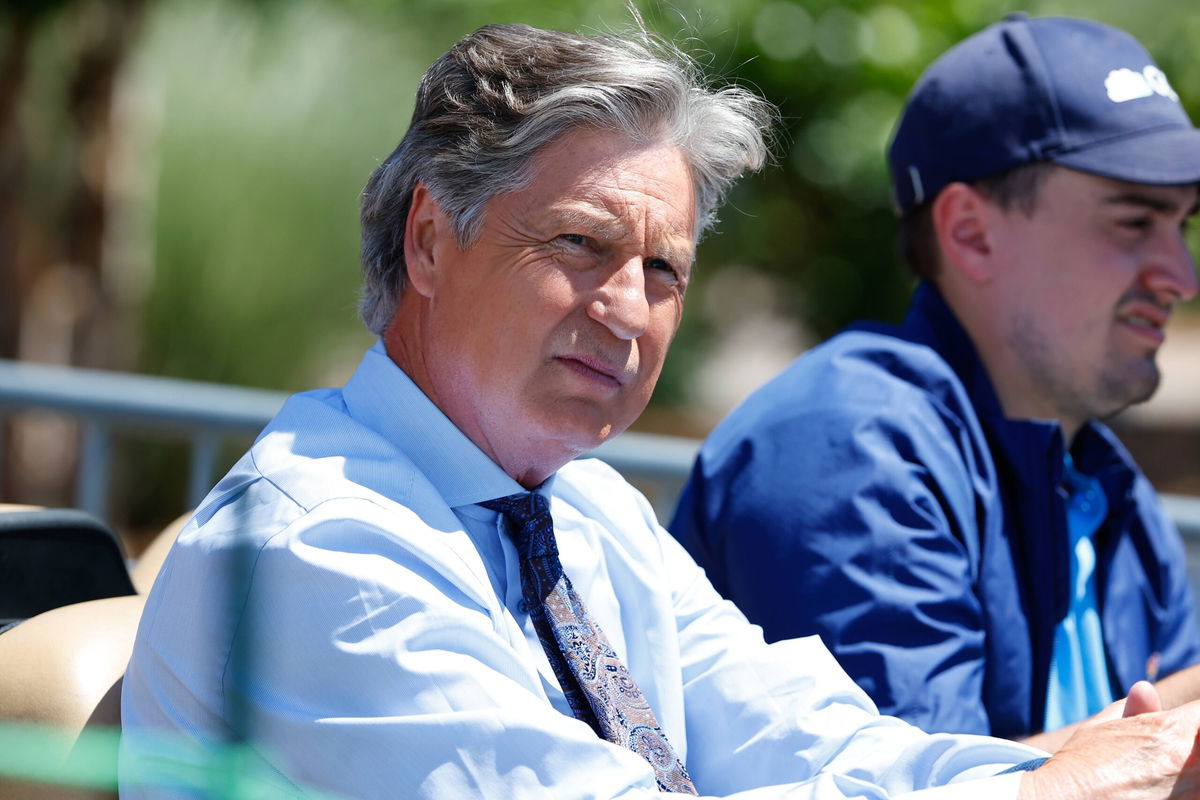
“The average clubbed speed on the PGA Tour is around 116 mph, but there are people who can swing upwards of 150 mph, and that gap is going to close inexorably going forward. This is a way of saying that the only way to slow the best players down and bring back longer more momentous shots, is to either bifurcate the game, or have an Augusta National golf ball made that must be used in the tournament. I don’t see the latter happening, and the former would take a decade or more to implement, unfortunately.”
Well, the first rollback proposal from the sport’s governing bodies called for a split approach. This meant that recreational players could keep using the same golf balls, but professionals would have to use a shorter-distance version in competitions. The new plan, on the other hand, does away with that difference, so both professional and amateur players will eventually switch to a ball that doesn’t go as far.
“Having said that, there is no golf course that I know of that has kept in step with the technological advances in equipment and the physical changes in the players better than Augusta National. Thankfully, more often than not, the Masters still gives us the most compelling and dramatic Sundays in golf,” Chamblee continued.
That said, despite all the challenges modern golf brings, Augusta has managed to maintain its status and glamour. And now only time will tell how things unfold.
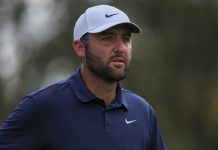
Meanwhile, as several fans look forward to witnessing some remarkable shots from the world number 1 golfer, Chamblee shared a concerning thought about Scottie Scheffler.
Brandel Chamblee questions Scottie Scheffler’s readiness ahead of Augusta showdown
Scheffler has already managed to add two green jackets to his collection, and after a remarkable show last season, fans had high hopes for the golfer. However, 2026 has seen a slight dip. And Chamblee feels the 29-year-old has grounds to improve before the first Major of the season.
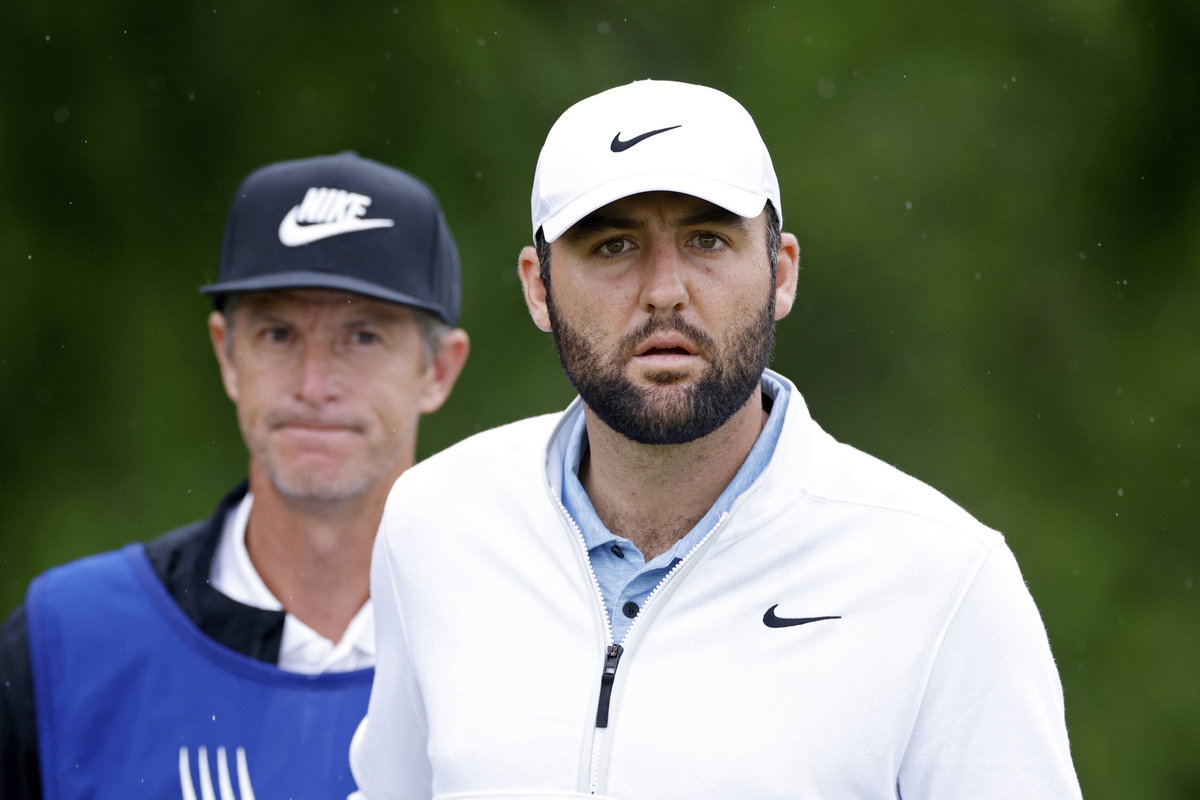
“He’s got the best coach in the world, in my view,“ Chamblee said. And I don’t say that haphazardly, just because he’s coaching Scottie Scheffler. Randy Smith has put upwards of a dozen to 15 players at the highest level of professional golf,” said Chamblee.
“But having said that, I was very surprised at just how short his golf swing was, how open the face was, and how much across the line it was. He’s had three weeks off, and his wife, Meredith, I believe, have welcomed the birth of their second child. If they haven’t, they’re doing it this week. All of those things, I think, as wonderful as they are, they’re distracting to play the game at the highest level. So, you know, early on, we’ll see if he’s got his swing on track at Augusta, but right now, he wouldn’t be my favorite to pick,” added the analyst.
While Chamblee acknowledged that Scheffler would continue to remain a fan favourite, he believes that the four-time Major champion would face strong rivalry from other elite names of the field.