


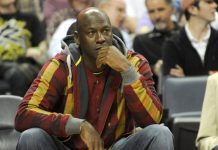


The return of the NBA to NBC was supposed to feel like stepping into a time machine. The familiar Roundball Rock energy came back. The iconic Bulls-era presentation returned. And then came the moment that truly sent nostalgia into overdrive. “Froooom North Carolina, at guard, 6-6, Michael Jordan.”
When Michael Jordan was announced as a “special contributor” for NBC’s revived NBA coverage during the network’s massive upfront presentation in 2025, fans immediately imagined something much bigger than a few edited interview clips. Many expected Jordan to become a visible voice throughout the season, offering unfiltered opinions on modern stars, playoff basketball, and the evolution of the game itself.
Instead, NBC’s first season with Jordan became defined by one recurring question: where exactly was he?
That criticism intensified throughout the playoffs, especially as Jordan continued appearing comfortably on NASCAR broadcasts with FOX while remaining mostly absent from NBC’s NBA coverage. Still, despite the growing backlash online, NBC executives insist they view the partnership very differently.
“We are very happy with everything Michael did with us,” NBC Sports executive vice president of communications Greg Hughes told The Athletic.
From the beginning, NBC’s strategy centered around nostalgia. The network’s $27.5 billion NBA rights agreement was not just about reacquiring basketball rights after a 23-year absence. It was about recreating the emotional connection many fans still associate with the 1990s Bulls dynasty and the original NBA on NBC era.
Jordan was the centerpiece of that vision. The rollout reflected it immediately. NBC used the iconic Alan Parsons Project intro music and legendary Bulls PA announcer Ray Clay during its upfront presentation, essentially recreating the atmosphere of Jordan’s prime years in Chicago. The message was clear: the NBA was finally “back home.”
However, the actual role NBC described remained intentionally vague. Jordan was introduced as a “special contributor,” not a full-time analyst or studio personality. That distinction became increasingly important once the season started.
The reality of Jordan’s contribution mainly revolved around a single long-form interview with Mike Tirico recorded before the season. NBC later divided that conversation into multiple short “MJ: Insights to Excellence” segments aired throughout the year.
By midseason, fans realized the same interview footage was being repackaged repeatedly. The criticism escalated quickly. Some viewers accused NBC of overselling Jordan’s involvement entirely, especially because many expected something closer to TNT’s Inside the NBA format or even Kobe Bryant’s old Detail breakdowns.
Instead, the network largely leveraged Jordan’s image, aura, and symbolism more than his actual on-air presence.
Michael Jordan appearing more on FOX than NBC became impossible to ignore
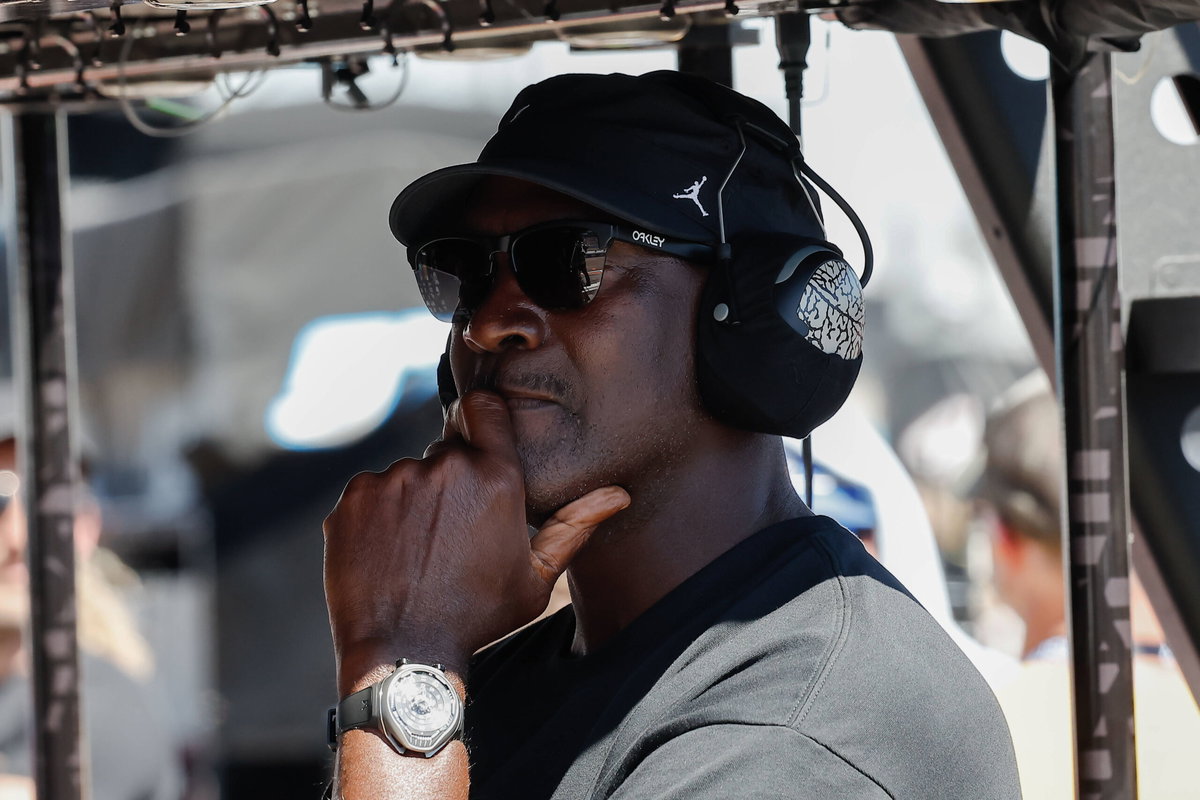
The most awkward part of the situation for NBC was not Jordan’s silence. It was where he was showing up instead. As co-owner of 23XI Racing, Jordan became a frequent presence during NASCAR broadcasts on FOX throughout the spring. Whenever Tyler Reddick continued his incredible 2026 run, FOX cameras repeatedly captured a far more relaxed and candid version of Jordan than NBA fans ever saw on NBC.
“This kid is on fire,” Jordan said after another Reddick victory. “I don’t even know what to say. I don’t know if I can cool him down.” That version of Jordan looked emotionally invested, spontaneous, and fully engaged. Meanwhile, NBC’s NBA broadcasts continued recycling carefully edited clips from the same sit-down interview.
The contrast fueled even more criticism online. Still, the difference makes sense once Jordan’s broader priorities are examined. NASCAR is not simply a media partnership for him. It is a personal investment and competitive venture tied directly to 23XI Racing’s success. Jordan reportedly spent much of late 2025 deeply involved in the organization’s antitrust battle against NASCAR before the case reached a major settlement in December.
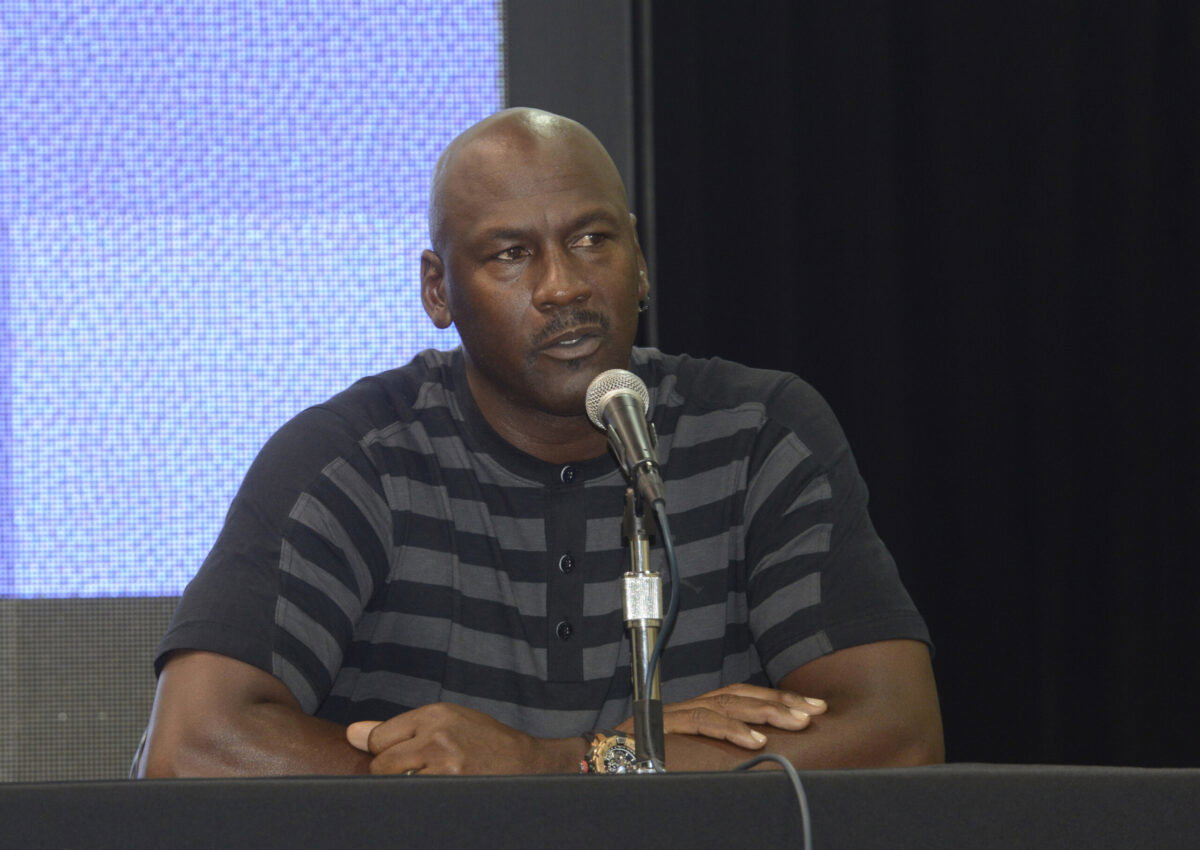
At the same time, Jordan has historically shown little interest in becoming a traditional television personality. Unlike Shaquille O’Neal or Charles Barkley, Jordan has spent decades carefully protecting his mystique. Even after retirement, he rarely offered consistent public basketball analysis, largely avoiding the weekly debate culture modern sports television now demands.
That reality may explain why NBC still sounds satisfied despite the backlash.
From NBC’s perspective, the partnership still worked. Jordan’s involvement helped generate enormous attention for the network’s NBA return. Advertisers reportedly flooded the relaunch presentation, and the overall nostalgia-driven strategy successfully made NBA on NBC feel culturally significant again.
Even limited appearances from Jordan carried weight because his connection to NBC’s original basketball era remains unmatched. However, the fan disappointment also exposed a larger truth about Jordan himself.
For years, basketball audiences imagined what it would look like if the six-time champion ever fully stepped into modern media. The NBC deal briefly made that possibility feel real. Yet the 2025-26 season ultimately reinforced something that has followed Jordan throughout retirement: part of his power has always come from staying just out of reach.
NBC sold the mythology of Michael Jordan brilliantly. The challenge now is that many fans still want the actual Michael Jordan to show up with it.