

































Ric Flair has spent the last few weeks playfully “cutting promos” on Luka Doncic for sitting out with a hamstring injury. Now, the wrestling legend is finally explaining where that mindset comes from. The timing made the comments impossible to ignore. The Los Angeles Lakers were staring at a 0-3 hole against the Oklahoma City Thunder in the Western Conference semifinals while Doncic remained sidelined with a Grade 2 hamstring strain. That immediately triggered a familiar sports debate. One side saw a franchise protecting its centerpiece. The other saw a superstar missing the biggest games of the season.
Speaking on Yahoo Sports Daily, Ric Flair admitted his reaction came from old-school instincts more than modern sports science. “I’ve taken a cortizone shot and wrestled with a broken ankle, so I don’t have much sympathy for the hamstring.”
“I’ve taken a cortizone shot and wrestled with a broken ankle, so I don’t have much sympathy for the hamstring.”
@RicFlairNatrBoy explains why he keeps cutting promos on Luka Doncic.
(via Yahoo Sports Daily) pic.twitter.com/iX3lpQ6hPX
— Yahoo Sports (@YahooSports) May 11, 2026
At the same time, Flair also acknowledged an important detail that often gets lost once these conversations hit social media. “I don’t know anything about the extent of his injury.” That nuance matters because Flair was not really accusing Doncic of being soft. Instead, his comments revealed the massive cultural gap between the era he came from and the one modern NBA stars now operate in.
To understand why Flair views injuries this way, it helps to understand the environment that shaped him. Professional wrestling during the 1970s and 1980s revolved around a “show must go on” mentality. Missing events often meant losing money, losing momentum, and potentially losing your place entirely.
Flair became the face of that culture.
Long before guaranteed contracts and advanced recovery protocols became normal in major sports, Flair built his legend wrestling hundreds of matches a year across different territories. Some years reportedly included more than 400 matches. Stories about performing through injuries eventually became part of the mythology surrounding “The Nature Boy.”
That included the famous 1975 plane crash that broke his back in three places. Doctors reportedly told him he might never wrestle again. Flair returned anyway. Years later, he also wrestled through a broken ankle, the exact story he referenced while discussing Doncic.
Because of that background, Flair naturally views pain tolerance differently than modern athletes do. For his generation, toughness was often measured by availability above everything else. Fans celebrated athletes who ignored injuries, took injections, and somehow kept performing.
Meanwhile, modern teams increasingly view that philosophy as dangerous.
Why the Lakers are treating Luka’s hamstring carefully
A Grade 2 hamstring strain is not the same as playing through soreness or a rolled ankle. The injury involves a partial muscle tear, and for explosive athletes, that creates major re-injury risk.
That distinction is critical for a player like Doncic.
Unlike a wrestler working through a stabilized injury in a controlled environment, Doncic’s entire game depends on deceleration, balance, lateral movement, and explosive changes of direction. A compromised hamstring directly affects all of those movements.
Medical caution around hamstrings has also grown significantly across professional sports because re-injury rates remain notoriously high. Several NBA stars, including James Harden and Chris Paul, have dealt with playoff runs that completely shifted after hamstring problems lingered or worsened.
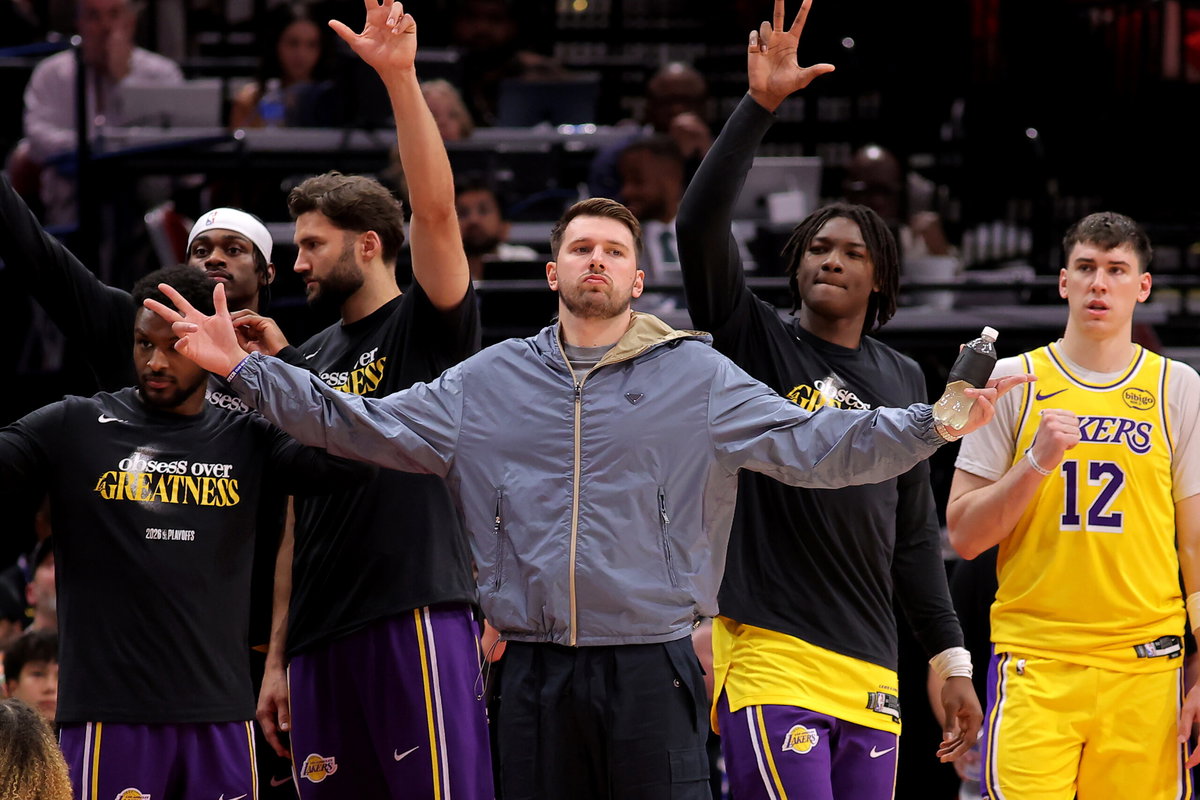
That is part of why the Lakers reportedly chose an extremely conservative recovery timeline for Doncic. The organization even approved specialized PRP treatment in Spain as part of the rehab process. From the franchise’s perspective, protecting a long-term investment outweighed the temptation of rushing him back during a playoff deficit.
Still, the frustration around the situation became understandable once the Lakers started slipping toward elimination.
Flair was reacting emotionally as a fan watching the season disappear in real time. Modern NBA organizations, however, operate more like high-level asset management groups than old-school locker rooms built entirely around pain tolerance.
That difference sits at the center of this entire debate.
Luka Doncic’s history proves this was not about avoiding pain
The easiest version of this conversation would have been labeling Flair as an “old head” attacking a younger star. The facts make the situation more complicated than that. Doncic has repeatedly played through injuries during his NBA career.
During the 2024 playoff run with the Dallas Mavericks, he dealt with knee problems, ankle soreness, and a thoracic contusion while still leading the team to the NBA Finals. Reports at the time even detailed pain-management injections that helped him stay on the floor.
That history matters because it undercuts the idea that Doncic simply avoids playing hurt. Instead, the 2026 hamstring injury represented something modern medical staffs view differently than older generations did. Teams now prioritize preventing long-term structural damage rather than celebrating short-term survival stories.
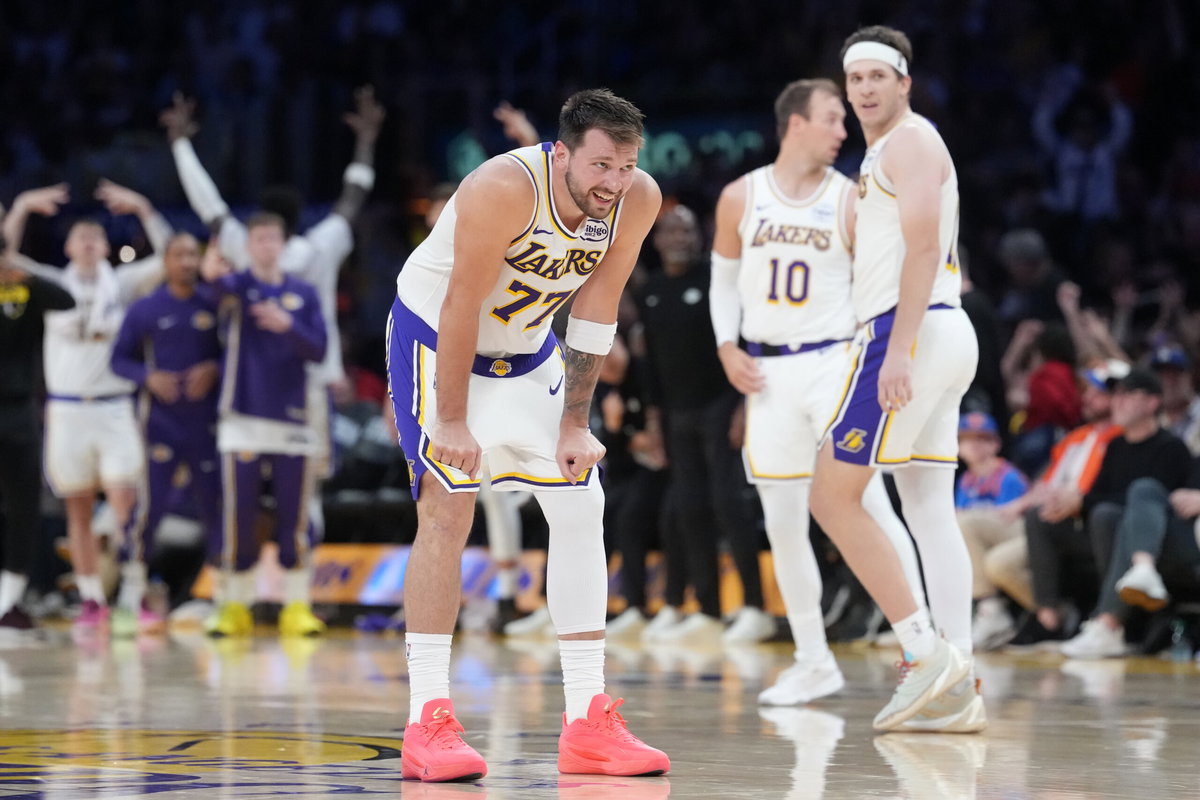
Flair himself indirectly acknowledged that reality during the interview. “I know that they protect their future and I don’t blame them for that. They got guaranteed money.” That line probably explained the entire situation better than any debate online has managed to.
Flair was speaking from an era where athletes were praised for sacrificing their bodies immediately. Doncic is playing in an era where organizations are expected to protect stars from themselves. Neither perspective fully cancels out the other. They simply come from completely different sports worlds.
That is also why Flair ended the discussion not with criticism, but with nostalgia. “I knew George Mikan, I’ve been a Laker fan that long.” For Flair, this was never just about one hamstring injury. It was about how the definition of toughness has changed across generations of sports.