

































For years, Novak Djokovic has waged war against tennis’s power structure, launching the Professional Tennis Players Association (PTPA) before later stepping away over transparency and governance concerns. Now, with fury over Grand Slam prize money erupting across the tour and Aryna Sabalenka even speaking about ‘boycotting’ Grand Slam events, the unrest has reached a boiling point. Amid the chaos, Djokovic has hailed Sabalenka for delivering the fearless leadership players have craved for years.
The Serbian once again made his stance on player rights crystal clear while speaking to the media in Rome. “I think you’ve been around the tour long enough to, I think, remember the times when I was a president of the council, when I was also forming PTPA, which is now six years ago. So you guys know my position on that. I’ve said it many times. I don’t need to talk about that too long,” he said.
Djokovic then turned his attention toward the growing movement among players demanding fairer treatment and stronger representation within the sport. In particular, he praised Aryna Sabalenka for stepping into a leadership role at a time when frustration among players is boiling over.
“Players know that they’ll always have my support, and that’s all. The new generations are coming up. I’m glad that there is willingness from the leaders of our sport, like Sabalenka, to really step up and really understand the dynamics of how the tennis politics works and understand the nuances and really what needs to be done not only for her benefit and well-being, but for everyone,” he added.
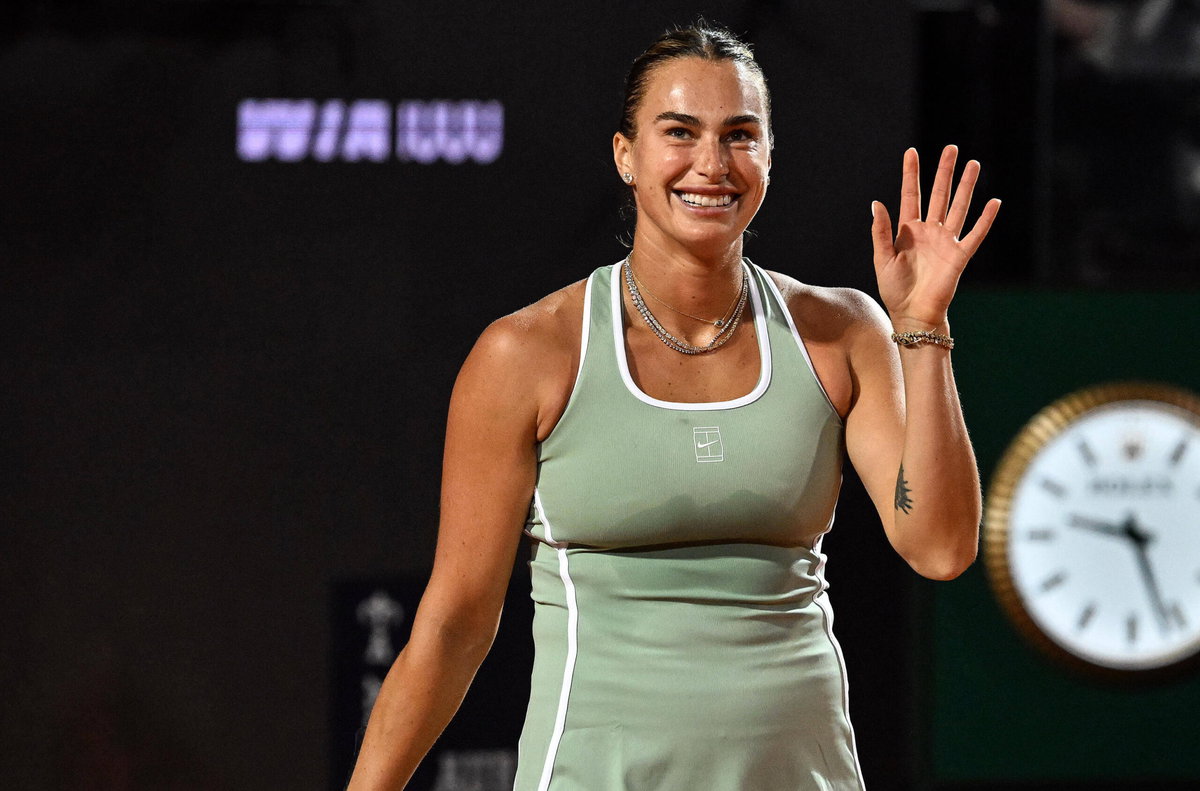
Djokovic continued by applauding the Belarusian star’s mindset and courage. “That’s true leadership for me, and I think she needs to maintain that. I salute that. That’s all I have to say about that,” Djokovic stated, offering strong public backing for Sabalenka’s position.
The 24-time Grand Slam champion also addressed the deeper tensions that continue to exist inside professional tennis.
“We’re all part of the same sport. We all try to elevate the game, whether it’s players, tournaments, governing bodies. Unfortunately, oftentimes, there is a conflict of interest that some people don’t want to address. I think that’s where the players really have the power. I’m always supportive of the stronger player position in the ecosystem,” he explained.
Although Djokovic signed the letter sent to the Grand Slams last year regarding player concerns, he admitted he has not been deeply involved in the latest meetings and ongoing negotiations between top players and tournament organizers.
“I am watching more from the side, to be honest. I haven’t been part of those meetings and conversations. But my position is very clear: I support the players and always will support stronger player position in the ecosystem, as I said,” Djokovic noted.
Now approaching his 39th birthday, Djokovic has spent decades witnessing the financial imbalance inside tennis, particularly for lower-ranked players who often struggle to survive despite competing on the biggest stages in the sport.
Those realities played a major role in his decision to co-found the PTPA years ago. Djokovic believes the current moment is important because conversations around player welfare and equality are finally becoming louder and harder to ignore.
“Now is the time to talk about it. I do like the fact that there is more conversations happening on this. It needs to be, because players’ position is not where it needs to be with Slams, with tours. Just overall, it’s not there,” he concluded, once again reinforcing his long-standing support for players, especially those fighting to build a stable career lower down the rankings.
Novak Djokovic blasts tennis media for twisting comments and portraying him as greedy over prize money
Novak Djokovic has built one of the richest and most successful careers in tennis that the sport has ever seen. As of early May 2026, the Serbian superstar has earned more than $193 million in career prize money, the highest total in tennis history.
The 24-time Grand Slam champion remains the only player to cross the $190 million mark. His earnings, collected across more than two decades on tour, still place him comfortably ahead of rivals Rafael Nadal and Roger Federer.
Despite his enormous success, he was asked whether it became harder to speak about player frustrations when he himself has earned so much money.
“In the past what I notice is many times people would twist particularly my words and say I’m requesting myself for more money, even when I was winning slams,” Djokovic said.
He also pointed toward the way headlines are often framed whenever prize money discussions emerge around the Grand Slams. Djokovic suggested that the focus usually stays on champions and record payouts rather than the broader struggles faced by players lower in the rankings.
“You guys like to put headlines of the Grand Slam winner gets so-and-so, never more in history,” Djokovic added. While Djokovic and Aryna Sabalenka have recently echoed similar frustrations, they are far from alone.
Several leading ATP and WTA players have started speaking openly about prize money, respect, and player treatment within the sport. Among them is world No. 1 Jannik Sinner, who publicly backed the players’ stance amid growing tensions surrounding French Open payouts.
“It’s more about respect, you know? Because I think we give much more than what we are getting back. It’s not only for the top players, it’s for all of us players,” Sinner said ahead of the Italian Open in Rome.
The Italian later reinforced that money alone was not the central issue for many players. “Of course, we talk about money. The most important is respect, and we just don’t feel it,” Sinner added.
Now, with voices like Djokovic, Sabalenka, and Sinner all pushing the conversation forward, pressure continues to build around the Grand Slams. As frustration spreads among the sport’s biggest names, attention is turning toward whether the French Open organizers will finally respond with meaningful changes.