































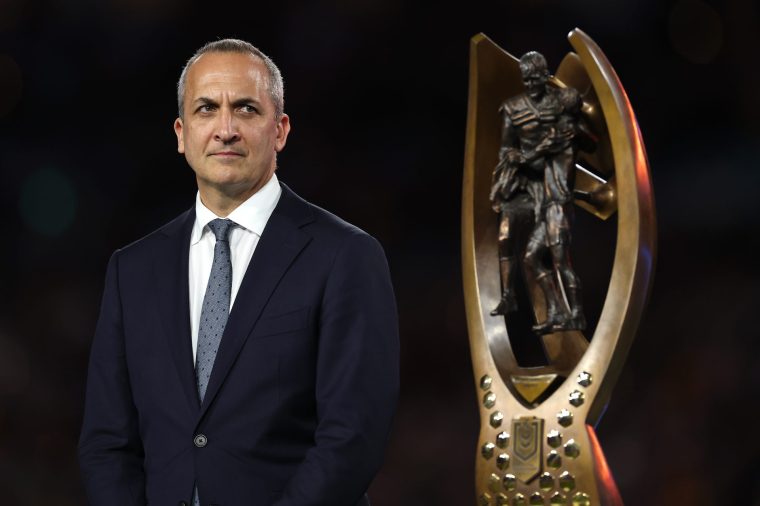
The NRL wants an independent commission to run rugby league in the UK if it is to invest in Super League, with chief executive Andrew Abdo stating a proposed partnership is a once-in-a-lifetime opportunity to take the sport global.
Abdo has been in England this week on a three-day fact-finding mission and meeting with Super League and RFL officials to discuss a potential NRL investment in the European competition.
He told The i Paper that the NRL wants a change in the current governance and an independent commission, like the one that runs the sport in Australia, to take charge in the UK.
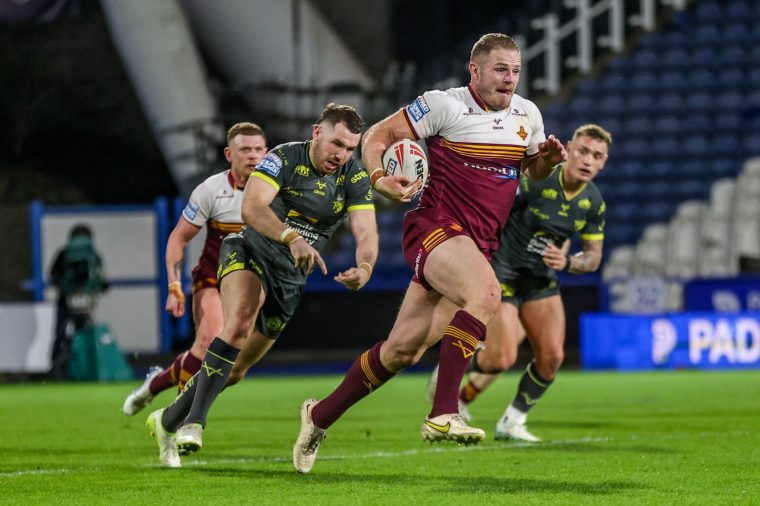
Super League is effectively controlled by its 14 member clubs, while the Rugby Football League (RFL) Council is made of the Super League and Championship clubs and representatives from the community game.
“I think independent decision-making is important for a sport,” Abdo said.
“What we’re putting forward is definitely a model where there’s a change.
“Similar to the Australian Rugby League Commission [ARLC], where you have independent directors thinking about the long-term decisions of the game, that is something we would absolutely be putting forward in terms of changes here if we were going to invest and drive, hopefully, positive growth.”
The ARLC was formed in 2012 and has been a key turning point in the growth and expansion of the sport in the southern hemisphere.
It has eight independent commissioners, including its chairman Peter V’landys.
Abdo says the NRL would want input on who sits on a possible Europe rugby league commission, as well as a say on the chief executive and a management team that is provided the mandate by the board.
“Yes, any entity that invests in another, if it is a significant investment, you would want to therefore ensure that the implementation and execution of the strategy is being carried out in a way that the business case might provide for,” he said.
“The appointment of the board and the management team is critical to change and positive growth.”
There has been fear expressed by some quarters in the UK game about losing control and the possibility of enforced club mergers as part of an NRL deal.
Abdo admitted: “We don’t know what that looks like yet. If we can get through each hurdle, then that leads to what does the blueprint for success look like? And then we obviously invest more into those levels of detail.
“But what I will say is that change is inevitable. It’s the sports that are able to adapt to the market conditions are the ones that are able to thrive and grow. And you can’t keep still, because if you’re keeping still, everyone else is taking over.
“Change should be embraced, but of course you need to understand what it is and everyone needs to be given the opportunity to provide their views on what that looks like, sure. There’s no issue with that. Nothing’s been pre-determined.
“Ultimately, if this happens, it will happen on the basis of this is what we think is going to put rugby league on its best front-foot in this particular market. Australia is one of those competitive landscapes in the world, so we understand competition from a number of different sports, and not just sports but other forms of entertainment, particularly for young people.
“The exciting opportunity here is to be able to cooperate and work together and sort of focus on rugby league collectively, against all the other entertainment options, as opposed to who’s winning and losing in the rugby league ecosystem.
“It’s complex and there’s lots of structural challenges for the game here. We need to do our work on what a business case might look like and obviously work with all the stakeholders here.
“This trip was invaluable for gaining some more information and understanding of the challenges and opportunities, and the role we might be able to play in helping the sport grow and thrive here. I’ve got a lot done, and no doubt there will be more to do, but it’s been very productive.”
Read more
Abdo insists the NRL is “very respectful” of UK culture and the history of rugby league in this country.
“We understand its position and challenges,” he said.
“We understand every market is different. But we also believe in the power of scale and the power of working together, and the opportunity for rugby league to operate successfully and cooperate together. There is some merit in looking at that.”