


































The NBA’s 65-game rule has created its most bizarre loophole yet. Bruce Brown played all 82 games for the Denver Nuggets this season, but still isn’t eligible for postseason awards. In a rule designed to reward availability, one of the league’s true ironmen somehow didn’t qualify.
Denver dealt with injuries all season, with multiple starters missing time, but Brown was the one constant. He appeared in all 82 games, showcasing elite durability and becoming the only Nuggets player to do so this season. Still, the NBA’s rule doesn’t just require 65 games played. It requires players to log at least 20 minutes in 63 of those games. That is where Brown falls short.
Wow. It hadn’t occurred to me to check because he’s not up for anything, but this is correct. Bruce Brown, the Nuggets’ only player to appear in all 82 games, is not eligible for awards under the 65-game rule. https://t.co/kn6Tovlj9a
— Bennett Durando (@BennettDurando) April 13, 2026
Brown’s role makes the situation even more ironic. As a bench player, his minutes naturally fluctuate, but that is exactly where the rule punishes him. He logged 20 or more minutes in 62 games and missed the 63-game cutoff by just six seconds in one appearance. That tiny gap is the difference between eligibility and being completely left out.
Brown is not alone. Stars like Luka Doncic, Anthony Edwards, and Devin Booker also miss out despite playing over 2,000 total minutes this season. Meanwhile, Victor Wembanyama qualifies with fewer total minutes because his playing time was distributed more consistently across games. The rule rewards how minutes are spread out, not just how much a player actually plays.
The rule was introduced in the NBA’s latest collective bargaining agreement to limit load management and ensure stars are available for fans and national broadcasts. But cases like Brown’s expose an unintended flaw. A player can show up every single night and still fall short because of minute distribution. That is why many around the league have pushed for a 2,000-minute benchmark instead. Under that system, Brown would easily qualify.
His impact still mattered for Denver. In his return to the Mile High City, Brown averaged 7.9 points, 3.9 rebounds, 2.1 assists, and 1.0 steals per game while shooting 47.5% from the field and 38.5% from three, providing reliable production and versatility off the bench.
Denver Nuggets finish regular season with 12-game winning streak, secure third seed in the West
Denver enters the playoffs in top form, riding a 12-game winning streak after closing the regular season with a win over the San Antonio Spurs. That result locked them into the third seed in the Western Conference. The Nuggets rested most of their core rotation in the finale, with Nikola Jokic making a brief appearance to meet his own eligibility requirement.
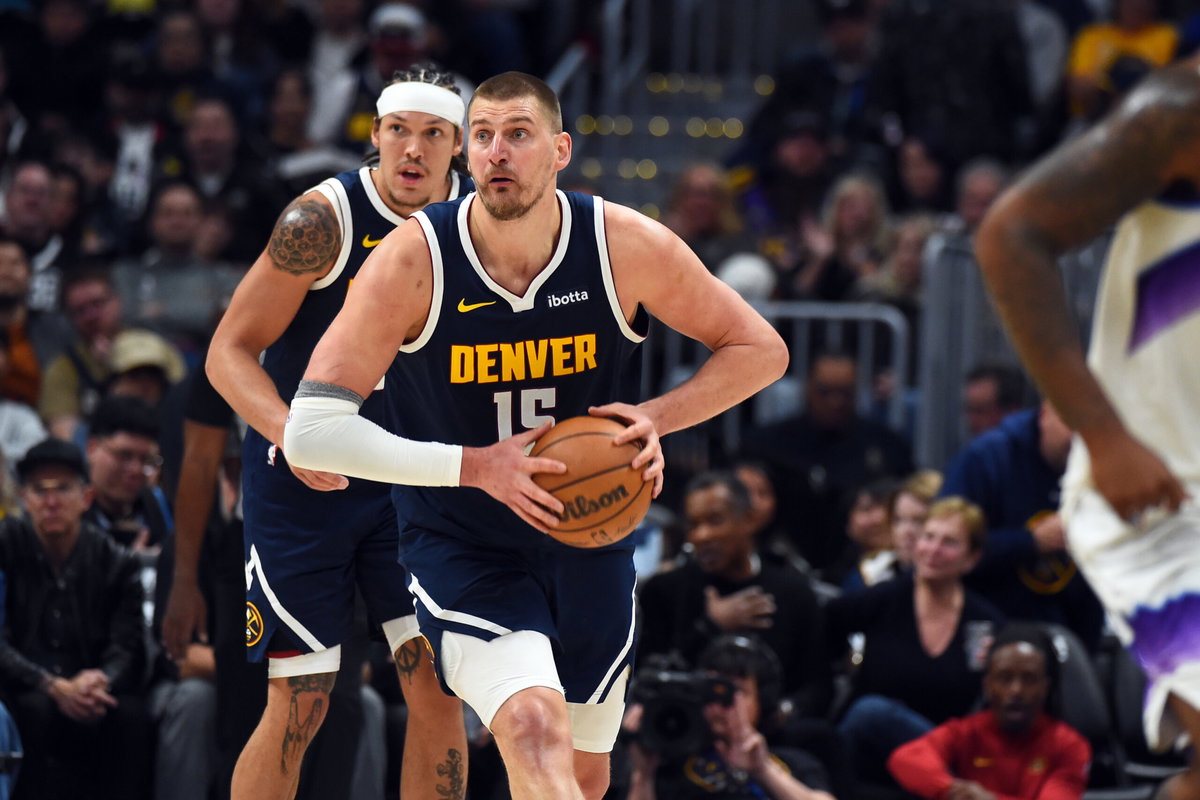
The Nuggets now carry the league’s longest active winning streak into the postseason and will have home-court advantage in the first round. Their win secured the third seed, pushing the Los Angeles Lakers to fourth. That matchup shift means the Lakers face the Houston Rockets, while Denver draws the Minnesota Timberwolves, the same team that eliminated Jokic and Co. in the playoffs a few years ago.
Denver’s late-season approach raised some eyebrows, but they still enter the playoffs with momentum and confidence. They hold a 3-1 record against Minnesota this season, but that history comes with context, given the Timberwolves’ past playoff success against them. As the Nuggets begin their postseason run, Brown’s situation remains a reminder that even perfect availability does not guarantee recognition under the league’s current system.