




























The pressure in Milwaukee has shifted from performance to control. What once looked like a routine injury management decision has now exposed something far bigger behind the scenes.
On Friday, that tension turned public. In a joint ESPN interview with Ramona Shelburne, Bucks co-owners Wes Edens and Jimmy Haslam made their position clear on Giannis Antetokounmpo’s future.
“Giannis is going into the last year [of his contract],” said Edens. “So one of two things will happen: Either he will be extended, or he’ll be traded. The likelihood you’ll let him just kind of play out the last year, we can’t afford that. It’s not consistent with what’s good for the organization. That’s not a Giannis issue. That’s any player that’s in their last year.”
That statement does not just define the offseason. It resets the power dynamic immediately. Because while the contract clock ticks toward the Oct. 1 window for a four-year, $275 million extension, a separate conflict is already unfolding in real time. And that is where this situation stops being simple.
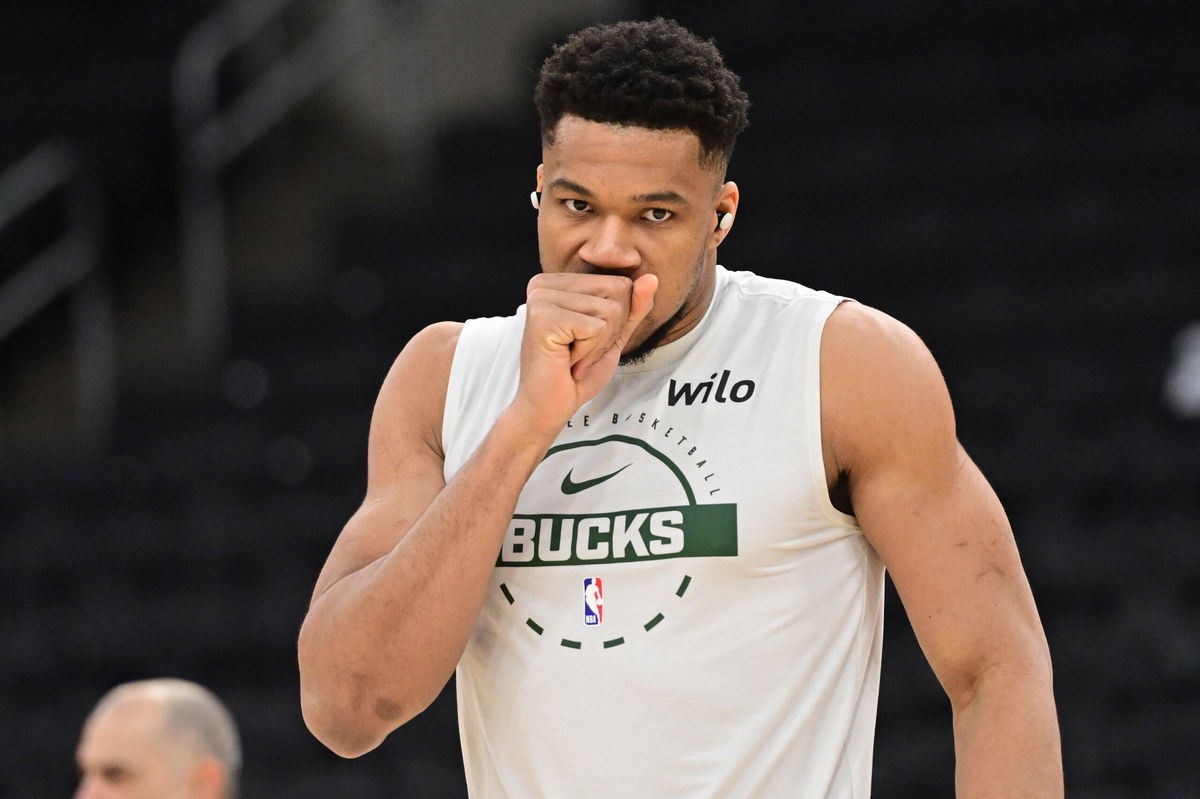
Milwaukee’s season has already drifted out of contention. Sitting 11th in the East at 28-41, the focus has quietly shifted toward preservation rather than pushing for a late surge.
However, that plan has not been shared internally. The organization has formally urged Giannis Antetokounmpo to sit out the remainder of the season. The reasoning is clear. Protect long-term health, avoid further damage, and potentially improve draft positioning in a lost year.
Giannis does not agree. Despite appearing in just 36 games this season, he wants to continue playing. That stance has held firm even after a left knee hyperextension against the Indiana Pacers, which added to an already heavy injury load that includes calf strains, ankle issues, and groin trouble.
Scans showed no structural damage. Still, the combination of a bone bruise and hyperextension leaves the joint vulnerable. One wrong step could escalate the situation quickly. Because of that, Milwaukee’s push to shut him down is not just cautious. It is calculated.
Meanwhile, Giannis’ refusal is not just competitive instinct. It is also about control. Playing keeps him present, involved, and influential in a season where decisions are already starting to move beyond him. That contrast is where the tension sharpens.
While the injury disagreement plays out publicly, the larger decision sits in the background. Giannis Antetokounmpo is entering the final guaranteed year of his contract in 2026-27.
On Oct. 1, he becomes eligible for a four-year, $275 million extension. That date is now the franchise’s inflection point. However, insiders across the league are not convinced the situation is as clean as “extend or trade.” One league voice summed up the uncertainty around decision-making inside the organization:
“This has nothing to do with Giannis and whether he asks out. It’s about who’s making the decision on whether to trade Giannis, and I don’t think anyone knows that.” “I deal with them all the time, and honestly, it depends on the day. They’re not even close to being ready to make a decision like that.”
That uncertainty matters. Milwaukee’s ownership structure requires alignment between Wes Edens and Jimmy Haslam, and sources suggest influence has shifted over time. As a result, the ultimatum sounds firm publicly, but internally, clarity may not exist yet. And that gap between messaging and decision-making is what rival teams are watching closely.
Loyalty, results, and a league waiting for the next move from Giannis Antetokounmpo
For years, Giannis Antetokounmpo has publicly maintained his loyalty to Milwaukee. He has repeatedly stated his desire to stay, as long as the team remains capable of competing for a championship.
However, context has changed. Since the 2021 title, the Bucks have suffered three straight first-round exits. Roster moves, including major swings to maintain contention, have not delivered the intended results.
At the same time, reporting from Shams Charania indicates that Giannis privately told the franchise months ago that it might be time to move on after more than a decade.
That duality defines the current moment. Public commitment. Private doubt. Meanwhile, the rest of the league has already adjusted. Leading up to the February 5 trade deadline, Milwaukee seriously explored offers for Giannis for the first time.
That alone signals a shift. Situations like this rarely stabilize once they reach this stage. From Damian Lillard’s exit in Portland to other superstar standoffs, once timelines and control begin to clash, resolution usually follows within a defined window. Milwaukee has now created that window.
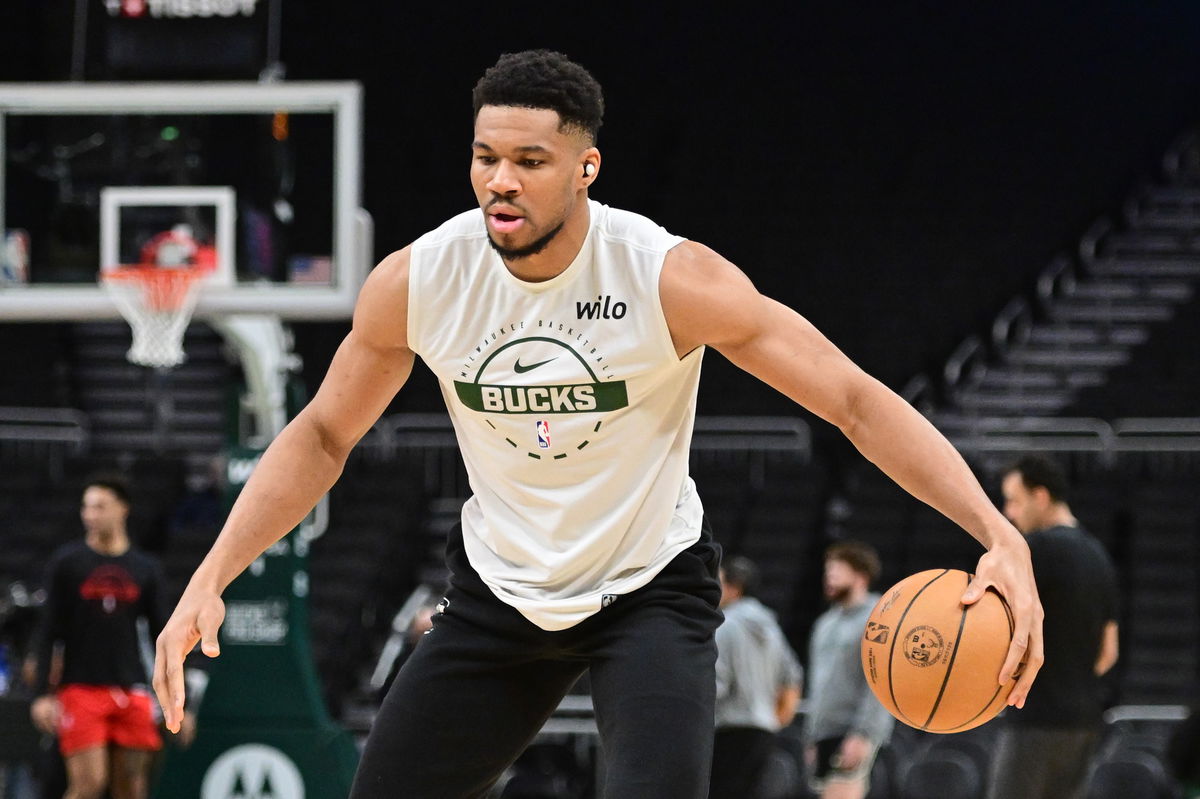
Everything now points toward two timelines running in parallel. One is immediate. Whether Giannis plays again this season or aligns with the organization’s shutdown plan will signal how much control he still holds day to day.
The other is structural. The Oct. 1 extension window will force a decision that the Bucks have now publicly committed to making. However, the outcome is not just about Giannis choosing Milwaukee or leaving.
It is about who ultimately decides. Because if the injury stalemate has revealed anything, it is that this situation is no longer just about a contract. It is about authority, alignment, and timing. And once those three begin to diverge, resolution does not wait long.