
We’re officially under three weeks from the 2026 NFL draft commencing in Pittsburgh. Pro days are all but over, and now front offices across the country will enter final draft meetings to solidify big boards as well as strategies going into Pittsburgh.
The strategies will be built around the position groups that are strongest in this draft. If teams have multiple needs, like the Detroit Lions at edge rusher and offensive tackle. The front office must decide which position they’ll attack in the first round and which they’ll wait on.
Now, what helps make that decision is the strengths and weaknesses of this draft class. It’s time to compare some position groups from this draft class to 2025 to get a better sense of how deep this class is at certain positions.
Running backs
The 2025 class was absolutely loaded with running backs, with 25 being drafted. Ashton Jeanty, Omarion Hampton and TreVeyon Henderson headlined the class. All three of those players showcased flashes in their rookie seasons, but the depth of this class showed throughout the year.
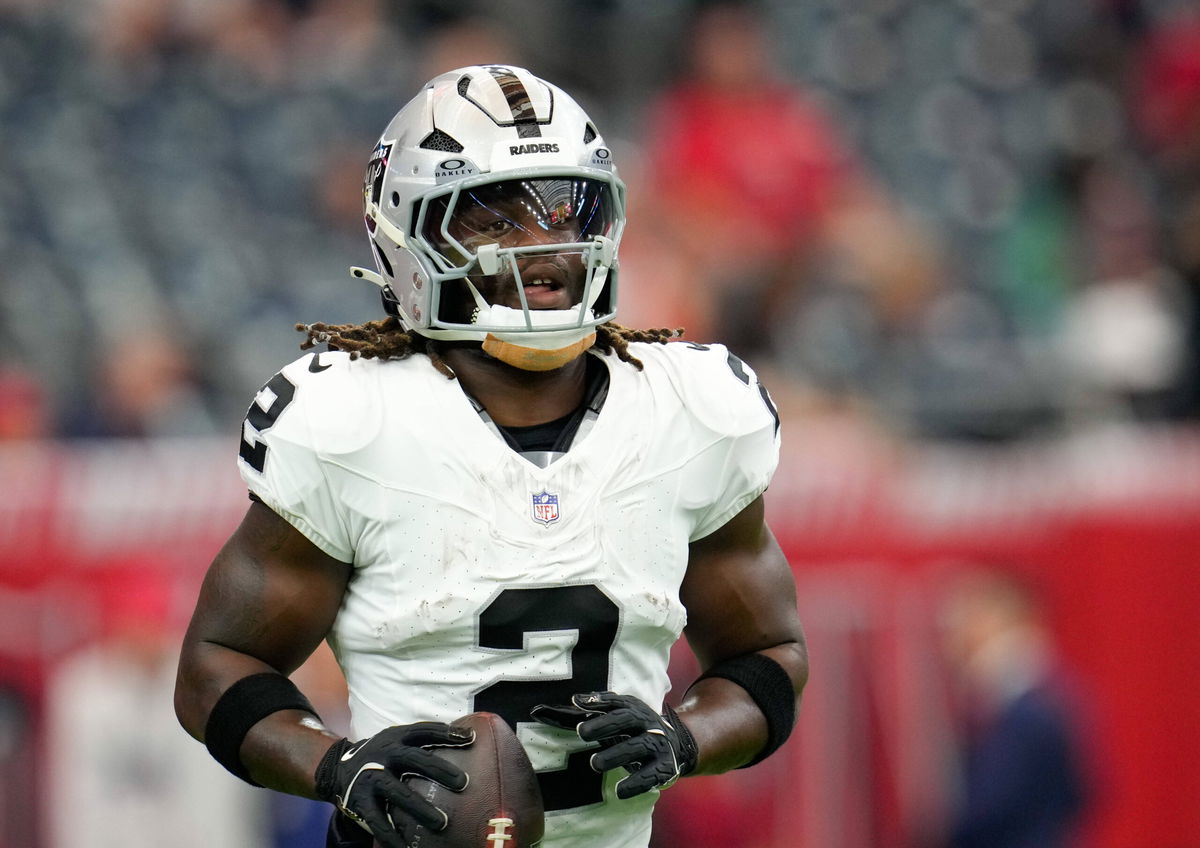
What makes a class deep is finding contributors late in the draft, and with this class, that was clear. The Washington Commanders took Jacory Croskey-Merritt with the 245th pick, and he totaled over 800 yards on 175 carries. The New York Giants selected Camerosn Skattebo with the 112th pick, and he, alongside Jaxson Dart, was a star for the Giants’ offense until Skattebo went down with a season-ending leg injury. Maybe the biggest steal of the entire draft was the Chicago Bears finding Kyle Monangai with the 233rd pick, and he contributed over 700 yards on 169 carries.
We saw 13 running backs taken before the fifth round last year. Teams like the Broncos, Steelers and Texans, who needed backs, could wait to pick one later in the draft.
For 2026, we’d be lucky to see five or six backs be taken before the fifth round. The class is headlined by Notre Dame’s Jeremiyah Love, but after that, there is a significant drop-off. His team, Jadarian Price, is the second back for most in the draft, but he likely won’t be taken until the back half of round two.
Linebackers
If your team needed a linebacker, it was a rough 2025 draft season. There was no real depth in the class, so teams couldn’t find contributors late. There were over 20 linebackers taken, but the first didn’t come off the board until 31, with the Philadelphia Eagles taking Jihaad Campbell.
This year, there may be three linebackers taken by the time the New England Patriots are on the clock at pick 31. The class is headlined by Ohio State’s Sonny Styles and Arvell Reese, but there is a plethora of talent in the bulk of this class.
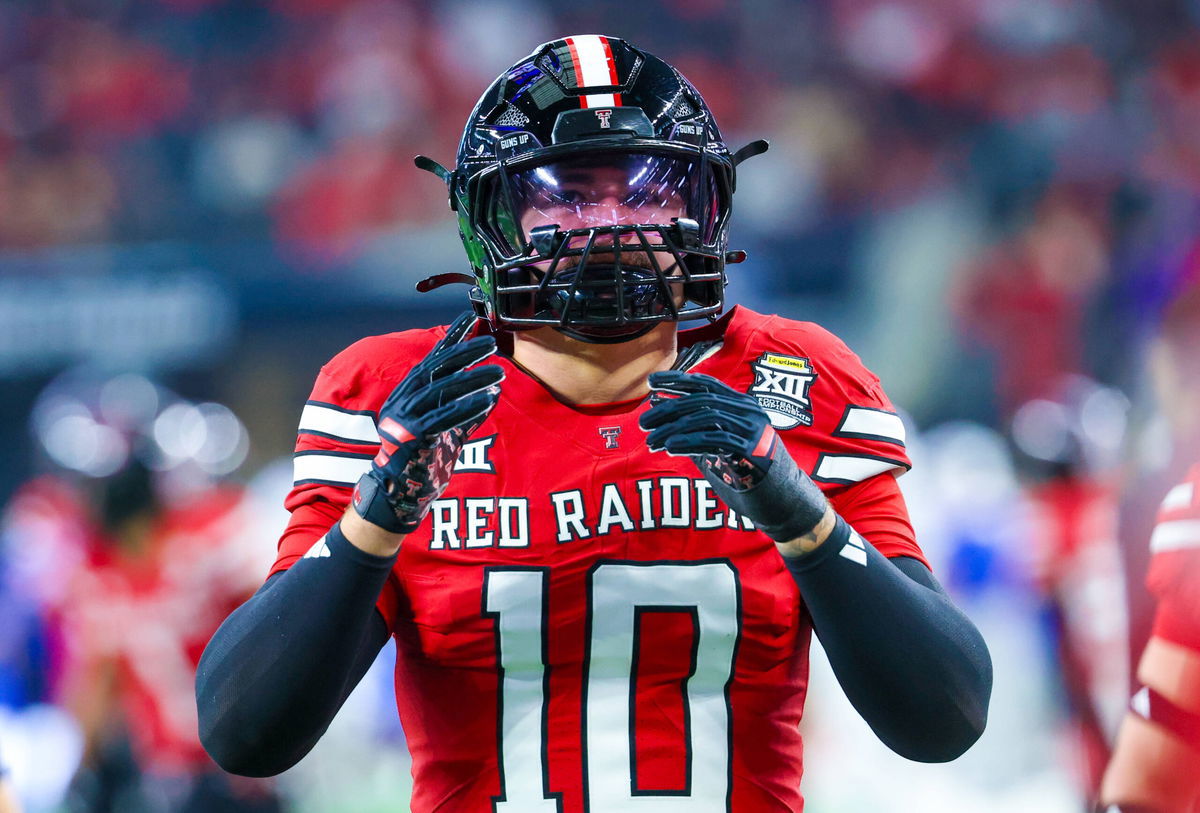
You have day 1 contributors on Day 2 of the draft in Texas Tech’s Jacob Rodriguez, Cincinnati’s Jake Golday and Missouri’s Josiah Trotter. Those are just three, but there are at least five to six other players who deserve to have their names mentioned here.
The 2026 class may have about the same number of backers as the 2025 class, but there is no doubt that this class has 10x the talent compared to last year.
Defensive Tackles
This year’s defensive tackle class is, to put it lightly, rough. In a time where defensive line depth is so valuable, we may not see the fifth defensive tackle come off the board until Day 3. In 2025, there were plenty of prospects who had run-stuffing abilities and pass-rush upside.
Michigan’s Mason Graham, Ole Miss’ Walter Nolen, Oregon’s Derrick Harmon and Indiana’s C.J. West. The 2025 class had over 30 defensive tackle prospects taken throughout draft weekend – five taken in the first round.
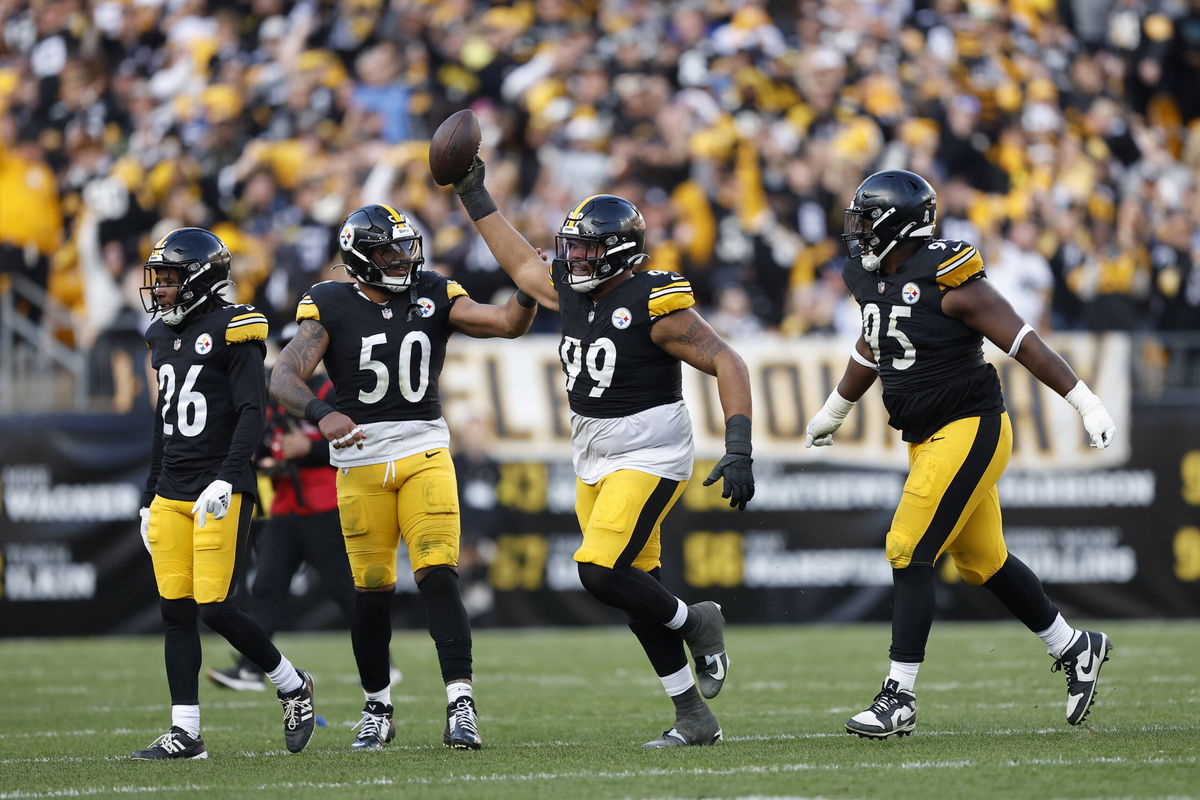
For 2026, there may not even be a defensive tackle taken in the first round. The hyped up player for this class was Clemson’s Peter Woods, but he didn’t live up to the preseason hype at all, and hasn’t tested well throughout this process. It doesn’t mean he won’t work in the league; it’s just hard for a team to take the chance early in the first round.
The main reason these classes are different is that many defensive tackles in 2025 could two-gap in the run game and be explosive pass rushers. 2026 doesn’t really have a prospect like that, and the one who potentially could was Florida’s Caleb Banks, but he’s battled injuries throughout the process.
Now, obviously, some of these guys could hit and work out in the league. Oklahoma’s Grace Halton is an intriguing one, but he’s just smaller. The same goes for Penn State’s Zane Durant and Texas A&M’s Albert Regis – all explosive guys who flashed, but are smaller prospects.
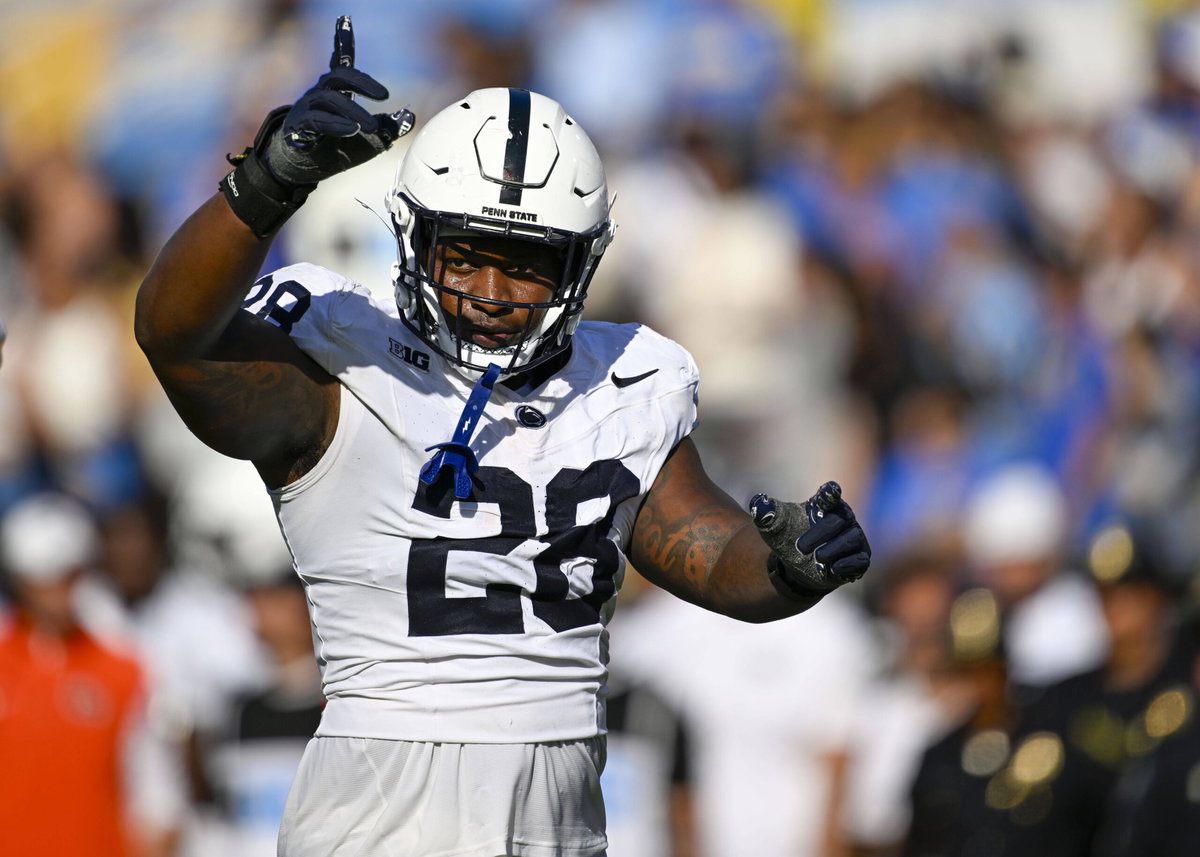
We’d be lucky to see 30 defensive tackles be taken within this class, but just because of the lack of depth doesn’t mean there won’t be multi-year starters in this class. Ohio State’s Kayden McDonald is one of the best run defenses I’ve seen coming out of college, and Georgia’s Chirsten Miller has the upside to be a game wrecker in the NFL.
Tight Ends
The 2025 tight end class was certainly more top-heavy with prospects like Colston Loveland, Tyler Warren and Mason Taylor. When looking at the 2026 class, I have Oregon’s Kenyon Sadiq higher than Warren and Loveland.
The depth of 2026 is the major difference, with plenty of different types of tight ends, many of them ready to make an impact on day one in the NFL.
Georgia’s Oscar Delp, Stanford’s Sam Roush, Notre Dame’s Eli Raridon and Ohio State’s Will Kacmarek are all players who can play in-line and contribute in the running game. They all have pass-catching upside, but their game starts and ends within the trenches.
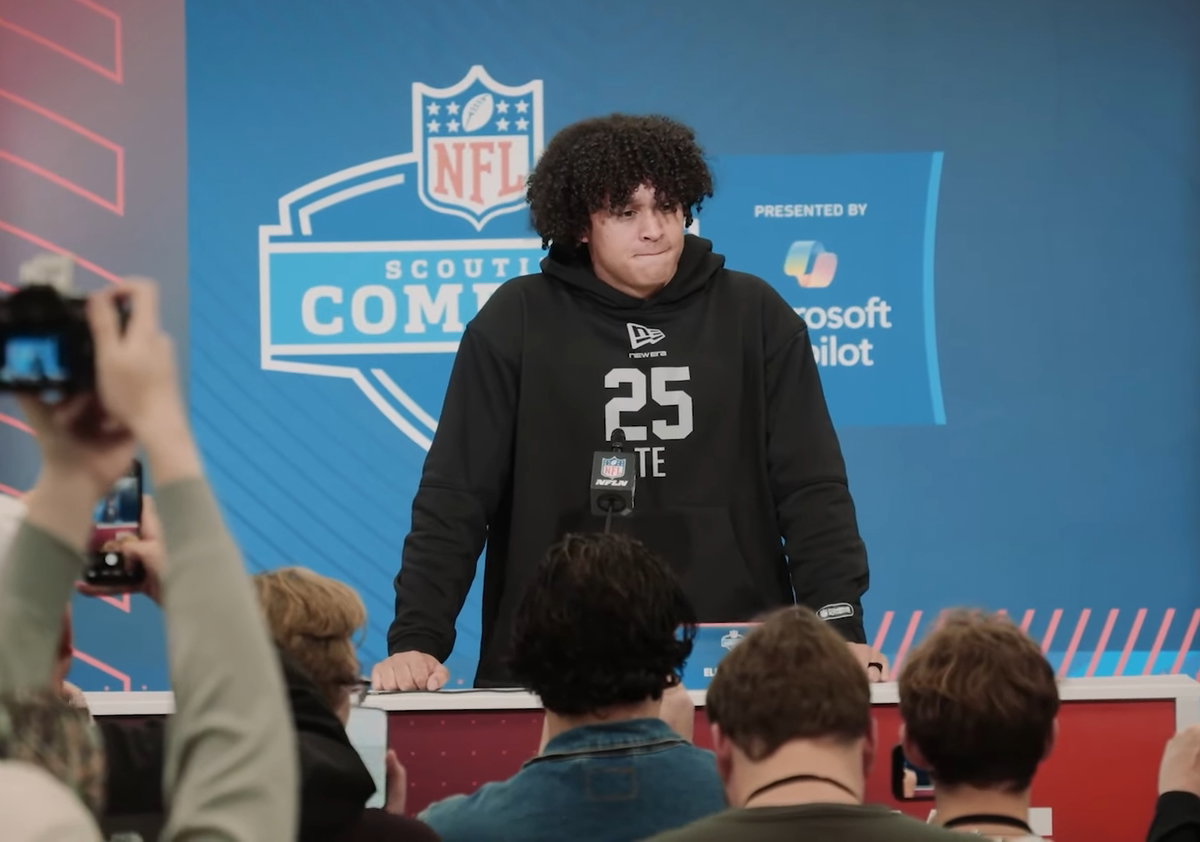
This class has a ton of tight ends who will be mismatches for defenses in the NFL, but can they find a role on day one, due to their lack of blocking ability? Vanderbilt’s Eli Stowers, Baylor’s Michael Trigg and Houston’s Tanner Koziol are all names who can attack the field vertically, making highlight plays, but the inability to run block is the trait that lowers them in this draft class.
Safeties
I’ve said it before, and I’ll say it again. This may be the best safety class we’ve ever seen. I’m extremely high on a lot of these guys, and it starts with Ohio State’s Caleb Downs. He’s dominated since being a freshman at Alabama in 2023, and is my second-ranked player on my big board.
Not far behind him is Oregon’s Dillon Thieneman, who showed out at the NFL combine, which raised his stock. The rest of the class is loaded with versatile and dynamic safeties. Toledo’s Emmanuel McNeil-Warren, LSU’s A.J. Haulcy, Arizona’s Genesis Smith and TCU’s Bud Clark. Safety is a weird position in the draft given its positional value, but we can see five or six of them taken before Day 3 is over.
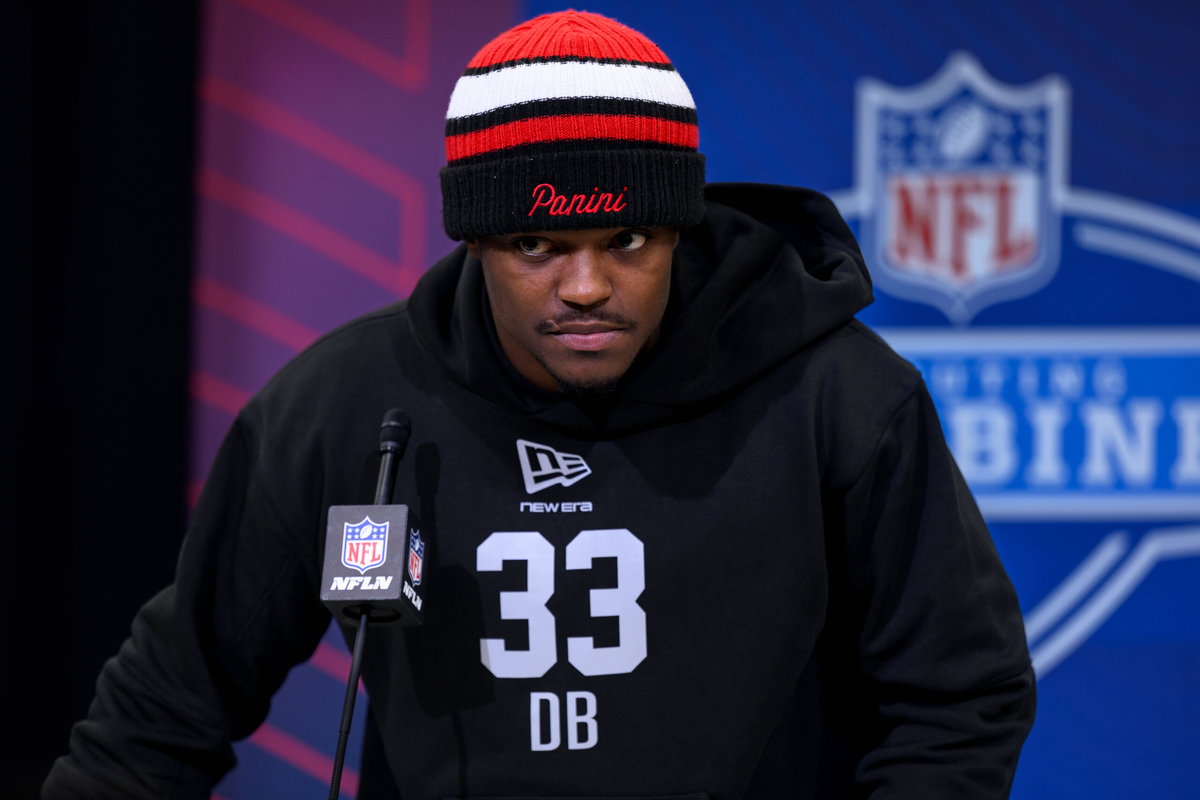
2025 had some studs, including Malaki Starks and Nick Emmanwori. Some quality depth picks in RJ Mickens, Jonas Sanker and Craig Woodson who all played well in 2025. Over 15 safeties were taken in this class, and while 2026 may have the same amount, the quality of players is better.
Quarterback
What this class is very similar to last year is the quarterback class. No. 1 overall will be Indiana’s Fernando Mendoza, and last year it was Cam Ward. After the No.1 pick, in both classes, there is a significant dropoff.
2025 had some intriguing prospects, like Jalen Milroe, Tyler Shough and Dart, who generated plenty of hype throughout the process. Shough and Dart impressed in their rookie years, saw playing time, and, obviously, the whole Shedeur Sanders debacle, but he’ll have a shot to win the job going into 2026.

The 2026 class is much the same. There are intriguing prospects like Penn State’s Drew Allar, LSU’s Garrett Nussmeier and North Dakota State’s Cole Payton. And yes, you can’t mention this class without Alabama’s Ty Simpson, who’s been heavily debated over the past couple of weeks.
No matter what, the bottom line is this class doesn’t have many day one starters in the NFL, and I’d be surprised to see over four of them be taken by the time Day 2 is over.