

































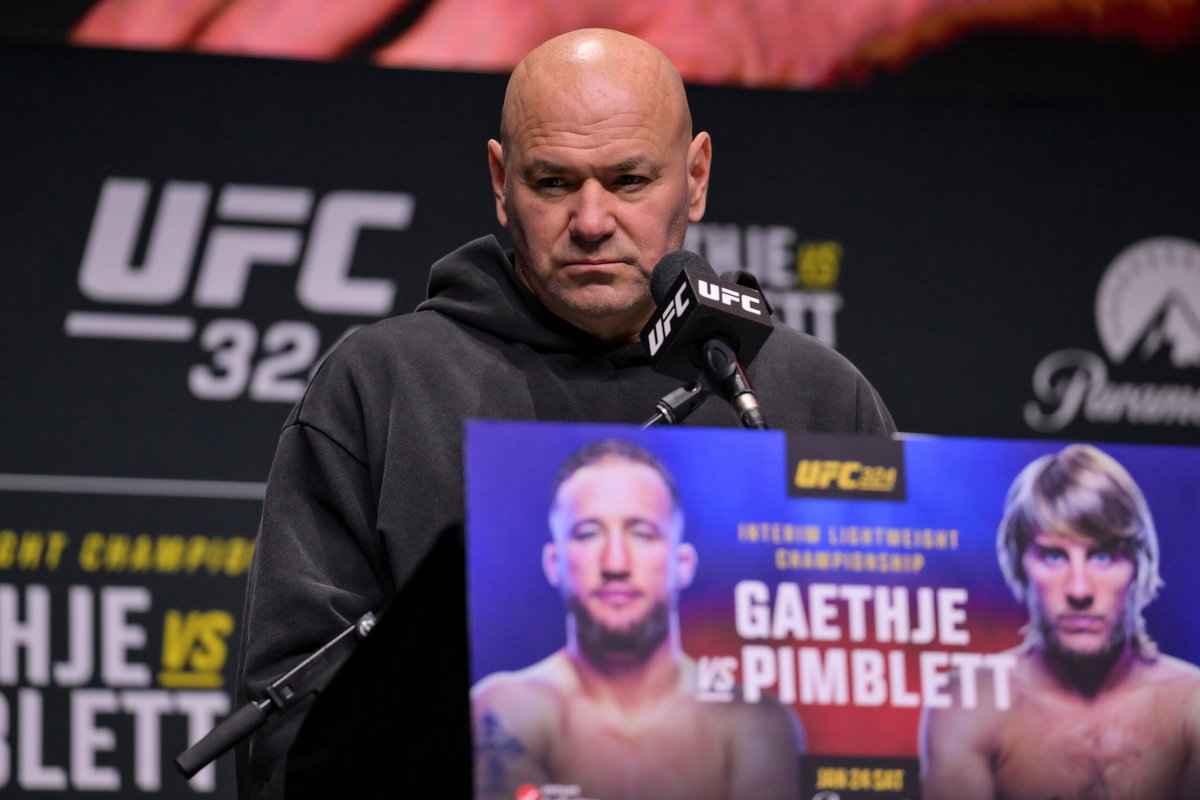
Fighter pay has always been a flashpoint in the UFC, but the debate has intensified in recent years, especially following Ronda Rousey’s recent comments. The UFC veteran claimed the promotion fails to pay fighters minimum wage, and most have to work multiple jobs just to sustain themselves. While the debate feels more alive than ever, it is also true that Dana White has never shied away from clashing with stars over fighter pay.
While Dana White has yet to directly address Rousey’s remarks, his track record with fighter pay disputes is long and well-documented. From the late 90s and early 2000s through to the present day, some of the promotion’s most legendary stars have clashed with him over money.
Dana White and early Zuffa pay disputes
There are definitely some big pay-related disputes that happened during the Zuffa era. Yet, three marquee names stand out.
Ken Shamrock
Tito Ortiz
Tito Ortiz is known for having a fierce rivalry with Chuck Liddell, but outside that, the Huntington Beach native is also famous for his dispute with Dana White, which almost turned into a boxing match. Following Zuffa’s acquisition of the company in 2001, Ortiz climbed the ranks and became a well-known face of the UFC. Yet that wasn’t enough for Ortiz, who wanted higher pay.
As a result of Ortiz’s demands, another complex controversy around fighter pay emerged, one that would go on to define a big part of his career. After feeling that the UFC was underpaying him, Ortiz acted as his own manager for a while, which turned out to be a costly mistake. According to Dana White, Ortiz ended up demanding over $150,000 from the top brass after a deal had already been finalized. If those demands weren’t met, White claimed Ortiz would threaten last-minute pullouts.
Because of that, Ortiz’s relationship with the UFC deteriorated badly, eventually leading to his departure following a loss to Forrest Griffin, which marked his third straight defeat at the time. Later, reflecting on their troubled dealings, Dana White didn’t hold back, calling Tito Ortiz “the dumbest human being.”
“We’d be coming up to a big fight on Saturday, right. Deals have been done for months,” Dana White said on Big Boy TV in 2023. “Tito would call and say, ‘I’m not going to show up unless you pay me another $150,000,’ or whatever the number was. He would do this on the regular, and I would go crazy. Tito was the kind of guy who would step over dollars to pick up dimes because he thought he was smart, but he was the complete opposite. He’s not a smart guy.
“He destroyed what could have been an incredible relationship because we loved Tito at the time. Tito was our guy. Tito was my guy. Frank and Lorenzo Fertitta loved Tito. And he absolutely destroyed a relationship that he could have had for the rest of his life.”
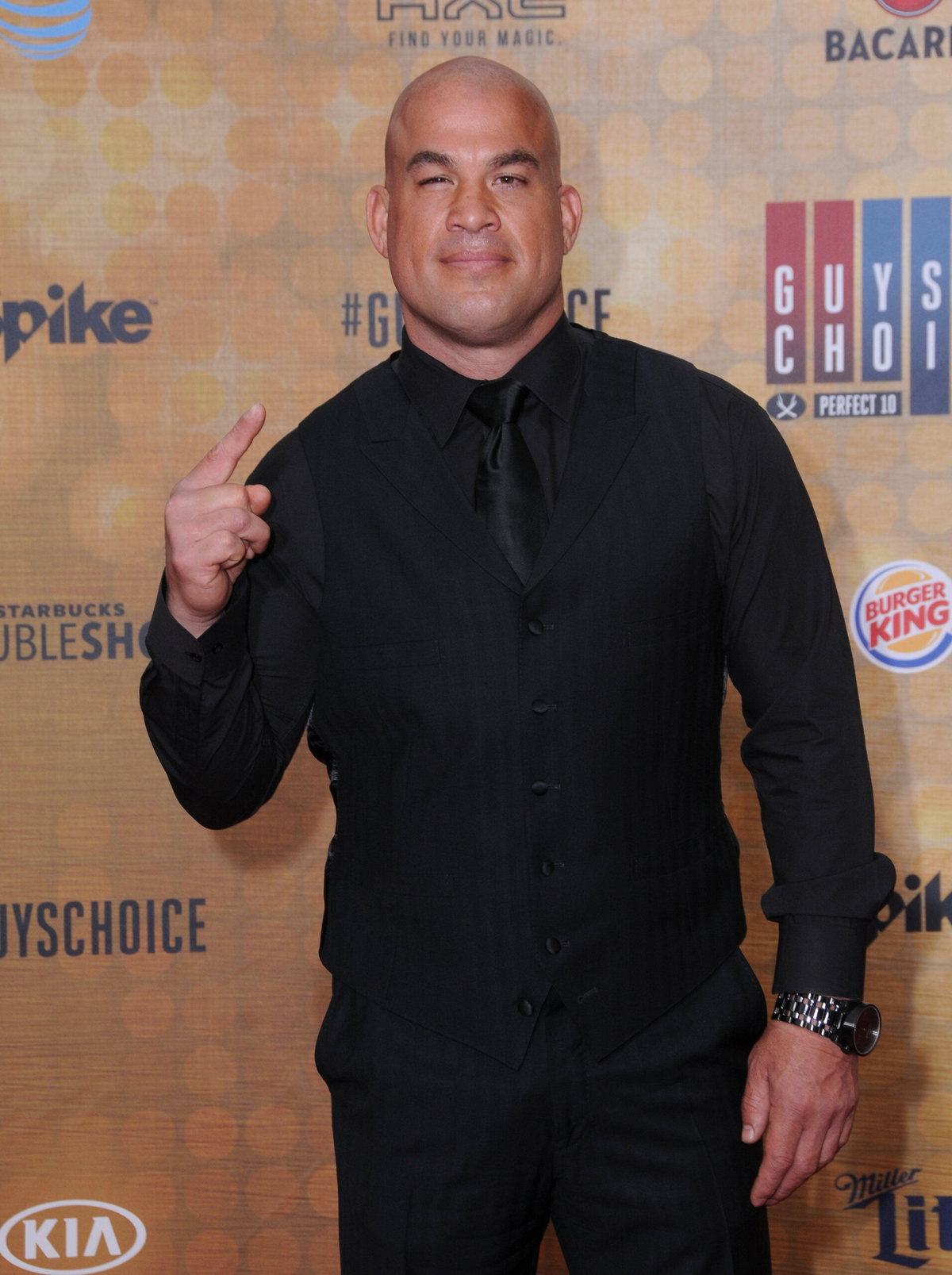
Following his feud with Tito Ortiz, Dana White also had a bitter fallout with one of the greatest UFC fighters, B.J. Penn, which turned especially ugly.
BJ Penn
What speaks more legendary than B.J. Penn’s indomitable run in the UFC? Alongside Max Holloway, ‘The Prodigy’ is one of the best champions to come out of Hawaii. As fans appreciate Penn for his contributions in the UFC, his chances of achieving that status once came under threat because of how bad his situation turned out with Dana White and Co. over payouts.
Back in 2004, when the promotion was still in its struggling period, Penn tried to pull off a trick to increase his payment. At that time, White reportedly paid the 47-year-old $37,500 per fight when he was the 170 lbs champ. However, Penn received a much more lucrative offer from the Japanese K-1 league worth $187,500. His brother JD Penn was associated with K-1, and that’s probably how he received the offer.
At that point, BJ Penn didn’t have an exclusive deal with the UFC. In that case, he was free to fight elsewhere while also potentially defending his belt in Dana White’s promotion. However, according to a Bleacher Report article, ‘The Prodigy’ reached out to the UFC brass asking whether they would bump his pay up to $62,500 so he could only fight in the UFC. The result of Penn’s plea? Dana White and Co said no, and their welterweight champ went to K-1.
When Penn’s first K-1 fight against Duane Ludwig became official, the Hawaiian thought the UFC could not strip him of the title without looking bad. But he got the biggest shock of his life when the promotion announced via a press release on May 17, 2004, that he was being stripped of the title.
The UFC was pretty clear with their words, “Due to BJ Penn’s reported signing with the K-1 organization, Penn will no longer compete in UFC events. Additionally, Penn’s actions have resulted in him being stripped of his title.”
Somewhere during that timeline, Penn also revealed that Dana White contacted him and threatened him with an X-rated rant.
“When it was finally official I was going to fight in Japan, White called me up and told me his true feelings. ‘You m—! You’re f— done! You’ll never fight in the UFC again! You’re finished. You’re scorched earth, m—. Scorched earth. Don’t call me crying saying you want to come back because you’re f— done!’,” Penn revealed in his book Why I Fight: The Belt Is Just an Accessory.
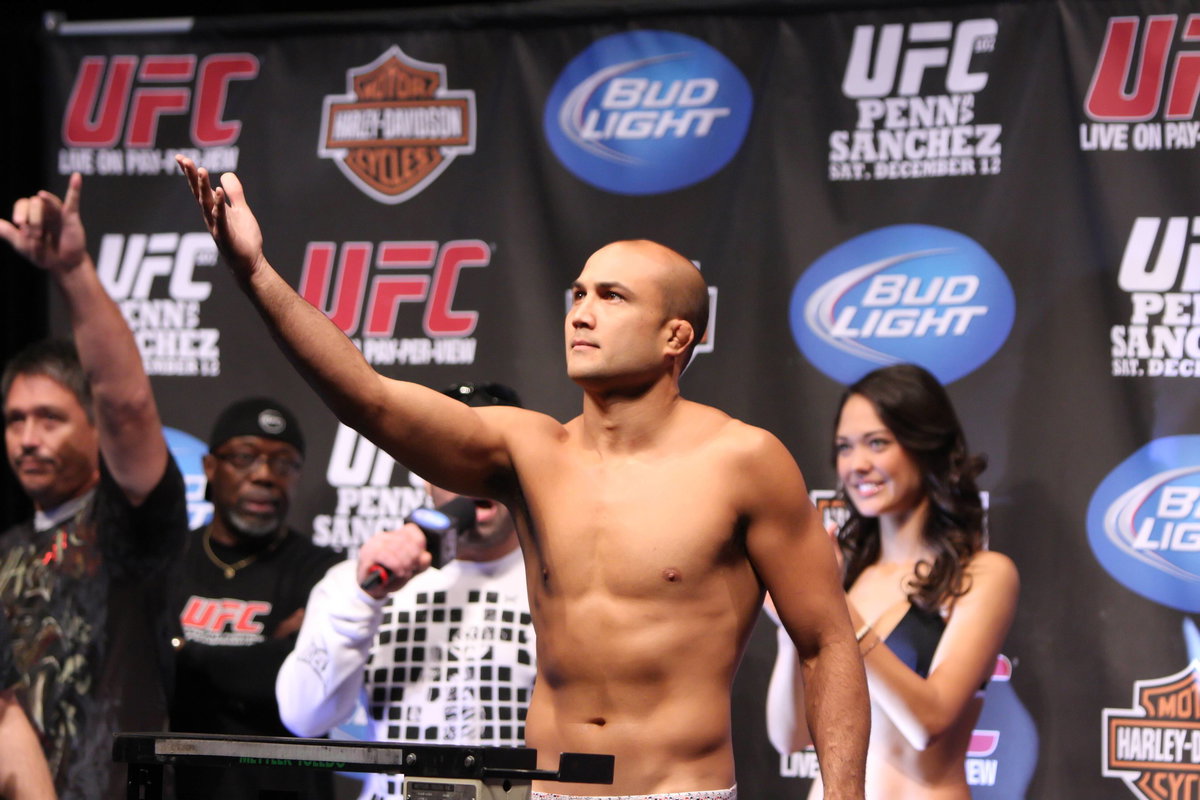
11 Dec 2009: UFC Lightweight BJ Penn (USA) steps on the scales during the weigh in at the FedEx Forum in Memphis, Tennessee. PUBLICATIONxINxGERxSUIxAUTxHUNxRUSxSWExNORxONLY Icon091211003107; Kampfsport Herren MMA Mixed Martial Arts Freefight Free Fight Fighting wiegen Pressetermin vdig xub 2009 quer o00 Ultimate
Image number 05250285 date 11 12 2009 Copyright imago Icon Smi 11 DEC 2009 UFC Lightweight Bj Penn USA Steps ON The Scales during The Weigh in AT The FedEx Forum in Memphis Tennessee PUBLICATIONxINxGERxSUIxAUTxHUNxRUSxSWExNORxONLY Icon091211003107 Martial arts men MMA Mixed Martial Arts Free Fight Free Fight Fighting Weighing Press call Vdig xub 2009 horizontal o00 Ultimate
Now, what could be Penn’s next step after the UFC stripped him of the welterweight title? Hit them with a lawsuit, of course. He filed a lawsuit stating that the promotion unlawfully stripped him of his title, which lasted for two years until Dana White and Co. settled with him in 2006, allowing Penn to return at UFC 58.
That said, with three of the most popular disputes cleared, let’s take a look at what the modern era has in store for us.
Dana White’s pay dispute with modern-era fighters
Just like the early Zuffa era, Dana White had some unpleasant disagreements with more recent fighters as well. But three fighters among them stand out.
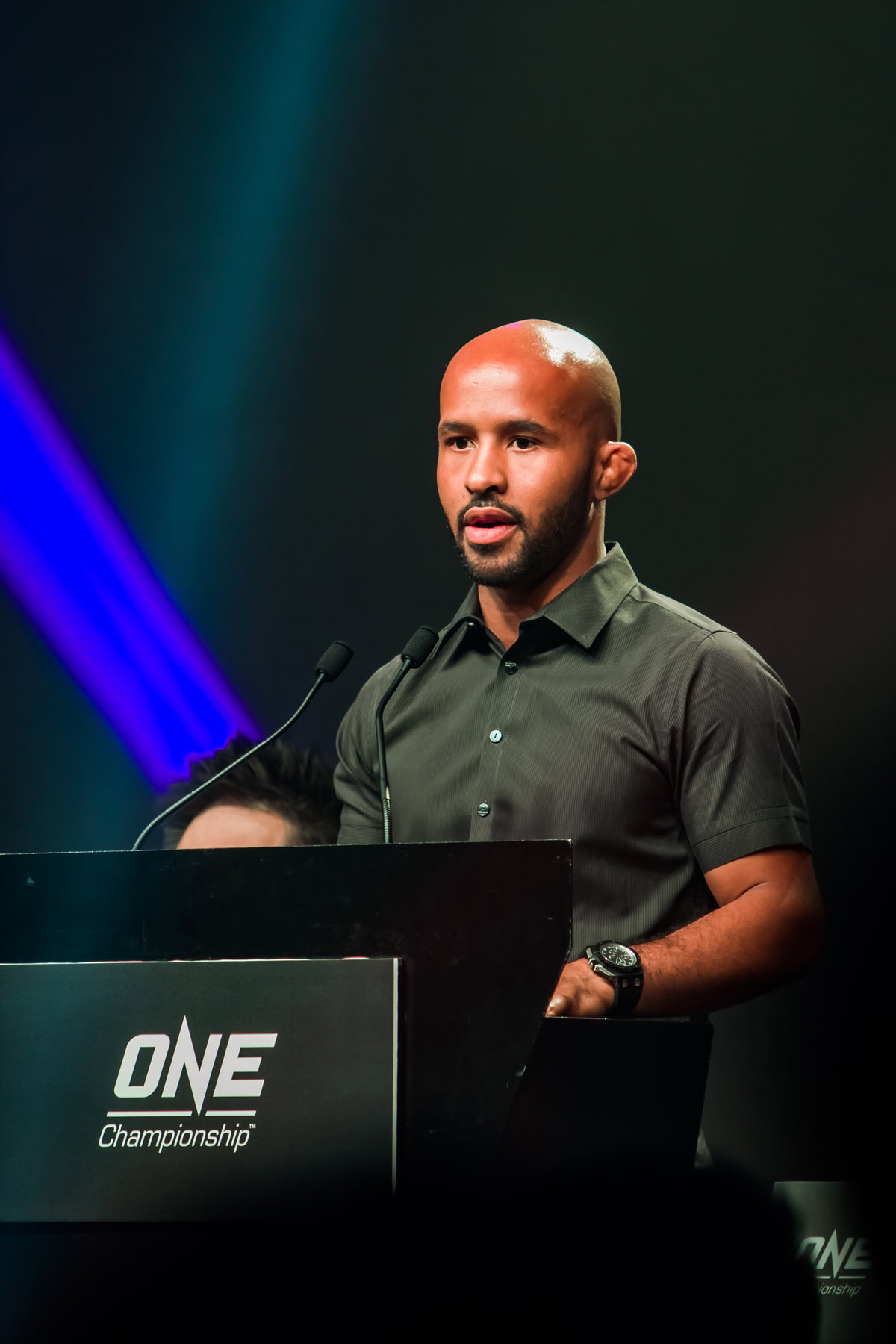
Demetrious Johnson
Francis Ngannou
Jon Jones
“Jon Jones is the greatest fighter of all time,” Dana White reiterates this statement whenever someone brings up the UFC GOAT debate. To him, there’s no second to ‘Bones’ when it comes to achieving greatness inside the Octagon. But when the question revolves around striking a deal with Jones, the UFC boss’s mood changes like the extreme weather in South Dakota.
For most of his career, the UFC seemingly provided Jon Jones pretty good pay, especially when he was dominating 205 lbs fighters like it was nobody’s business. However, when the former light heavyweight champ was plotting a move to the heavyweight division, with a potential superfight against Francis Ngannou in 2020, Jones raised some questions around fighter pay.
Jones took to X and called Dana White “greedy” over a series of posts for not treating him fairly. Later, Dana White replied to his posts, saying that the ex-champ demanded “Deontay Wilder money” to fight Ngannou. As a result, the negotiations failed, and Jones’ return against Ngannou fizzled out. Now, after almost six years of that pay dispute, the most significant one appeared in 2026.
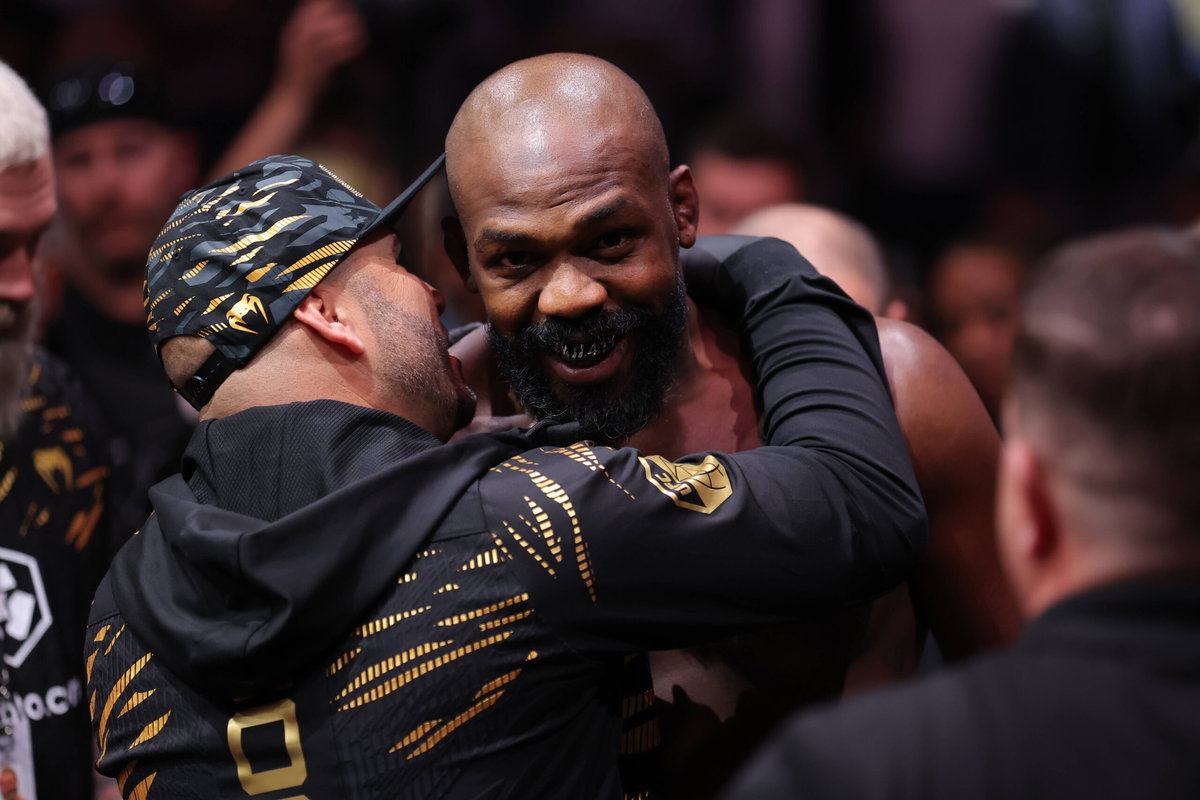
At that point, Jones had already retired without fighting Tom Aspinall, which Dana White and Co reportedly offered $30 million for. So, when he wanted to return to the marquee White House event against Alex Pereira, the Albuquerque native revealed the promotion offered half that amount—$15 million.
Not happy with the offer, the former two-division champ claimed that the UFC tried to lowball him. Hence, the fight against ‘Poatan’ couldn’t happen. But if you ask White about Jones’ involvement in the UFC Freedom 250 card, he would say that the former champ wasn’t even in the plans.
“How many f—ing times do I gotta say this? He was never fighting on the White House card,” Dana White said during the UFC 326 post-fight presser. “I have literally done two press conferences talking about this. These guys went out, found everything they thought was available and possible, and then I picked the fights.
“There was no way in hell I was putting him on the card, no matter what the money was. Jon Jones was never going to fight on the White House card.”
Following the UFC CEO’s comments, Jones took to social media once again to clear his stance, which was essentially a rant towards the boss. Yet, it became clear that Jones’ chances of headlining the event were over for good.
From Ken Shamrock in 2008 to Jon Jones in 2026, the pattern has remained consistent: the bigger the name, the more contentious the negotiation. With Ronda Rousey’s latest comments reigniting the fighter pay debate, it’s unlikely to be the last time this conversation surfaces.