






























About 15 years ago, the NFL introduced the “Rookie Wage Scale,” and it quietly reshaped the league. The logic was straightforward: Pay less to incoming first-round picks, and that money flows back to proven veterans. Now, the league seems to be revisiting a similar shift, but on a much broader scale. At the annual league meetings, there were discussions about placing a cap on how much any single player can earn.
For now, it’s still an idea, but if it gains traction during the new Collective Bargaining Agreement, the ripple effects would be significant. It would directly impact how top-end contracts, especially quarterback deals, shape a team’s salary cap structure. And while quarterbacks are unlikely to welcome it, the reasoning behind the proposal is clear enough to warrant a closer look at why the league might actually push toward an individual max salary.
The individual max salary will curb the premium quarterback race
Paying your franchise quarterback a hefty amount isn’t the issue. The context behind that contract is where things shift. If a quarterback earns a massive extension based on performance, it makes sense. But when deals are driven by market resets or matching another contract, it raises questions about long-term cap impact.
Take the 2026 salary cap, which jumped to $301.2 million, a $22 million increase. On paper, that should help teams build stronger rosters. But in reality, it also gives them more room to hand out massive quarterback deals. Even if it helps both areas, that balance is where things start to get tricky.
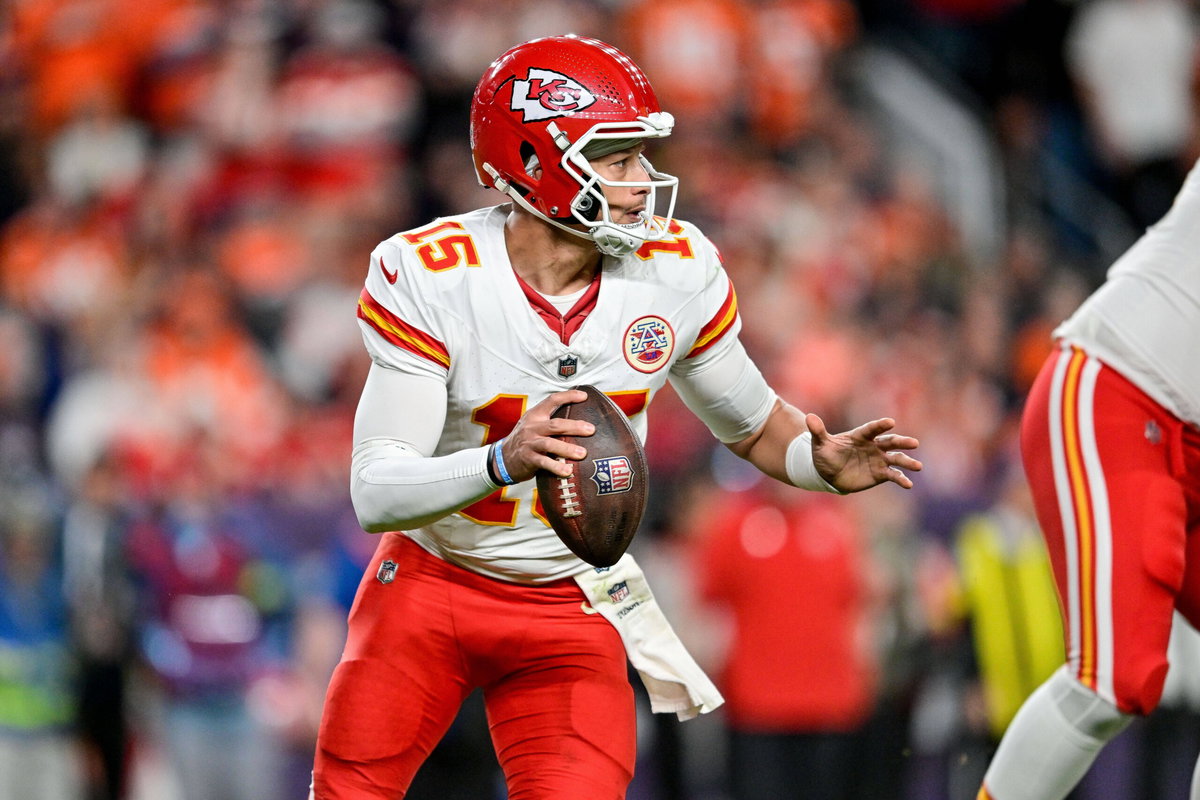
Let’s take a broader look at it. Back in 2020, the Kansas City Chiefs signed Patrick Mahomes to a 10-year, $450 million deal right after winning the Super Bowl. At the time, it wasn’t just the biggest contract in NFL history; it was the biggest in sports. Fast forward, and multiple quarterbacks have already surpassed that mark.
Then came the biggest one yet. The Dallas Cowboys gave Dak Prescott a four-year, $240 million extension in 2024, pushing his annual value to $60 million. Prescott is productive, no doubt. But with limited playoff success and a 2-5 postseason record, the deal reflects market pressure as much as performance.
And that’s where the domino effect kicks in. Agents use the latest deal as a benchmark, and players expect to match or exceed it. One reset leads to another, and it doesn’t stop at quarterbacks. It spreads across positions, reshaping how contracts are negotiated across the league.
The Seattle Seahawks recently signed Jaxon Smith-Njigba to a four-year, $168 million extension, making him the highest-paid receiver. On paper, rewarding a top performer, a Super Bowl-winning receiver, and the reigning Offensive Player of the Year makes sense. In practice, it raises the floor for others like Puka Nacua and George Pickens, who will now push for even bigger deals.
At that point, it’s no longer just about value. It’s about timing. Teams pay for the production, no doubt. But they’re doing so by reacting to the last deal signed. And over time, that kind of cycle starts to squeeze flexibility, making it harder to build out the rest of the roster across other positions.
The individual max salary will level the field for other positions to match their salaries
Back in February 2026, radio host Colin Cowherd voiced his frustration with Lamar Jackson and his push to become the highest-paid quarterback while the Baltimore Ravens were working through a potential extension. Cowherd argued that Baltimore isn’t firmly in the Super Bowl tier, and that Jackson’s push, despite having two years left on his deal, plays into that.
For context, Jackson was set to carry a $74.5 million cap hit in 2026. The Ravens reworked that number down to $34.54 million, but it came at a cost; his 2027 cap figure jumped to $84.49 million. Cowherd’s point was simple. That kind of money could fund multiple core players, using the Seahawks as an example.
He argued that, in theory, cap space could cover players like Sam Darnold, Jaxon Smith-Njigba, Devon Witherspoon, Nick Emmanwori, Grey Zabel, and DeMarcus Lawrence, and still leave room to spare. Of course, this came before Smith-Njigba’s extension, but the broader idea held up. One massive contract can reshape the entire roster.
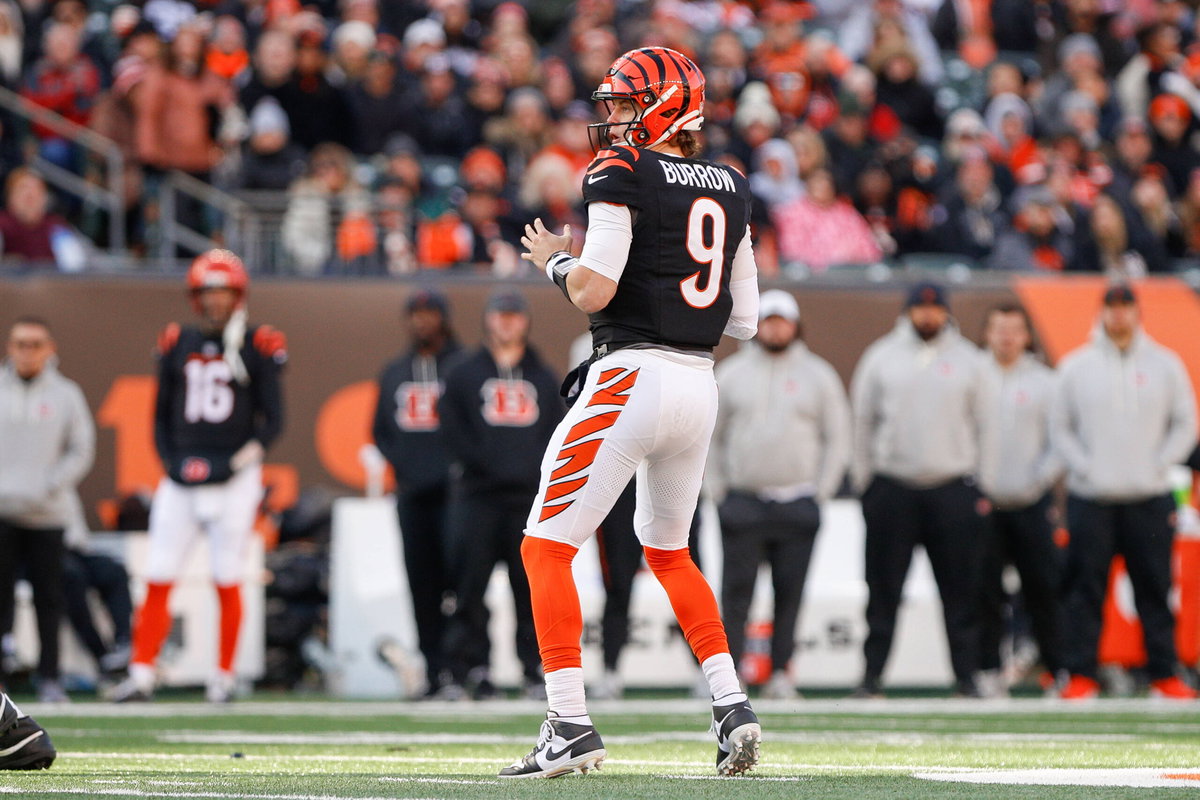
You see a similar pattern with Joe Burrow and the Bengals. Burrow’s $55 million per year deal didn’t stop the team from paying Ja’Marr Chase $40.25 million annually and Tee Higgins $28.75 million. But it did create pressure elsewhere, most notably with Trey Hendrickson, whose extension stalled before he eventually moved on.
That same financial squeeze showed up in Baltimore, too. The Ravens had to restructure Jackson’s deal to free up $39.96 million just to make other moves and afford Hendrickson. That’s the trade-off. When one player takes up 20 to 25 percent of the cap, something else has to give.
Teams either let key contributors walk, cut depth, or keep pushing money into the future through restructures. That might solve short-term problems, but it usually complicates things down the line. And over time, that cycle becomes harder to manage.
That’s where the idea of an individual max salary starts to make sense. It’s less about limiting players and more about redistributing flexibility. It gives teams a better shot at building balanced rosters instead of top-heavy ones.
Look at Seattle again. They signed Darnold to a three-year, $100.5 million deal with a $33.5 million average. That number didn’t just fit; it allowed them to build around him. With pieces like Kenneth Walker III (now with the Chiefs) and a strong defense, they put together a Super Bowl-winning roster and still had room to retain Smith-Njigba at the top of the receiver market.
In the end, that’s the core of the argument. A max salary wouldn’t eliminate big contracts, but it could prevent one deal from defining an entire roster. And in a league built on depth as much as star power, that balance matters.
A cap on players reduces the risk of cutting to feed the bigger sharks
But internally, the 49ers knew what was coming. Starting in 2026, they would be dealing with a high-priced quarterback. And that reality started shaping decisions early. Despite having plenty of cap space at the time, they traded Deebo Samuel, let Dre Greenlaw walk, and released Javon Hargrave.
Those weren’t reactive moves. They were preemptive. The franchise was essentially planning ahead for Purdy’s contract, even if it meant weakening the roster in the short term. That approach eventually left them carrying a league-high $86.6 million in dead cap, a clear sign they were shifting resources toward future flexibility.
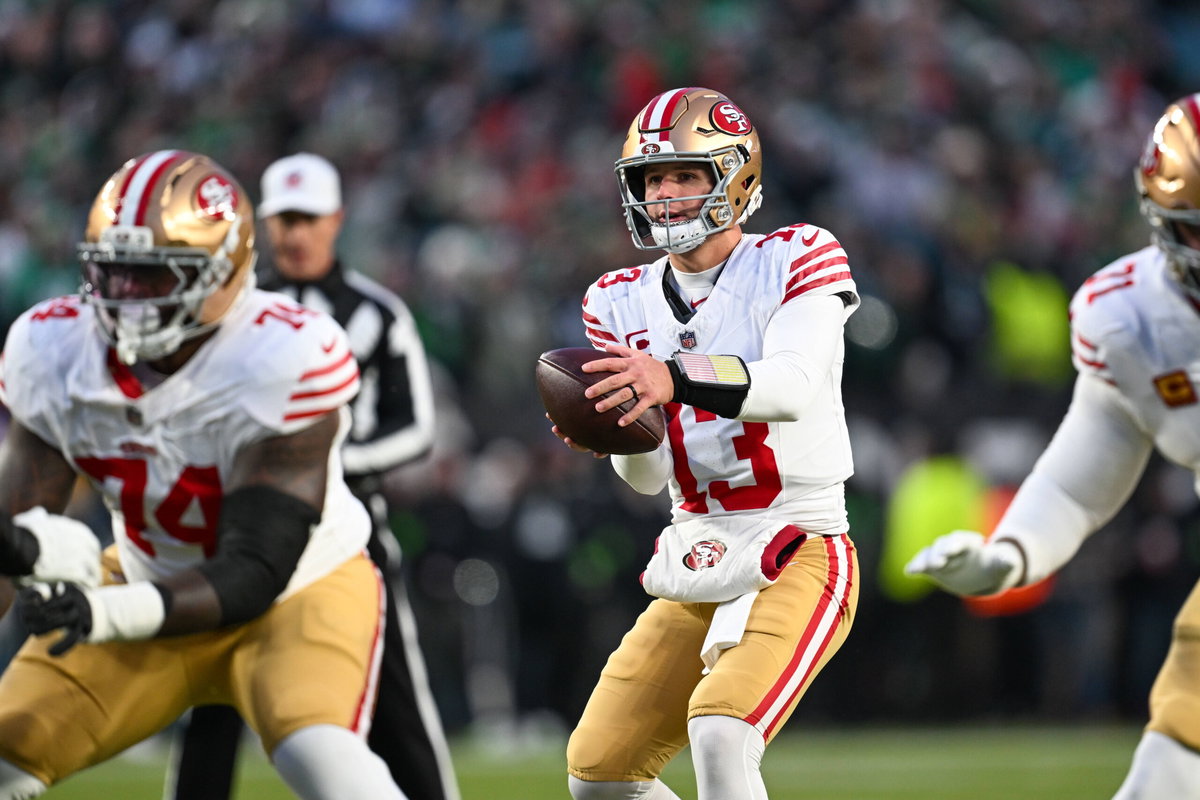
In simple terms, they sacrificed the present to stabilize the future. And that’s exactly where the individual max salary concept starts to make more sense in this context.
If there were a defined ceiling for individual contracts, Purdy’s deal would have naturally fallen within that range. The 49ers would have had a clearer picture of their financial structure instead of projecting and adjusting years in advance.
Instead, what happened was predictable. Samuel was traded, Hargrave was released, and Greenlaw walked, not because the team lacked money in the moment, but because they anticipated being constrained later.
An individual cap wouldn’t eliminate big contracts, but it would create boundaries. It would allow teams to retain more of their core instead of making early sacrifices just to prepare for one extension.
That’s why this idea keeps coming up. Not because teams can’t pay stars, but because the current system forces them to choose between one player and the rest of the roster more often than they’d like.
The NFL fans cleared their stance on the individual max salary
Amid the ongoing consideration of the league, we asked our newsletter, The Huddle’s, subscribers whether the league should implement an Individual Max Salary for salary cap reasons. The response was pretty one-sided. Around 470 subscribers voted a clear “YES,” while just over 50 users said “NO.” That kind of gap doesn’t leave much room for interpretation.
It points to a broader sentiment. Fans aren’t just reacting to big contracts anymore; they’re starting to question how those deals impact roster building across the league. In short, the message is simple. A large majority believes the NFL should seriously consider implementing an individual max salary, not to limit players, but to create better balance across teams.